
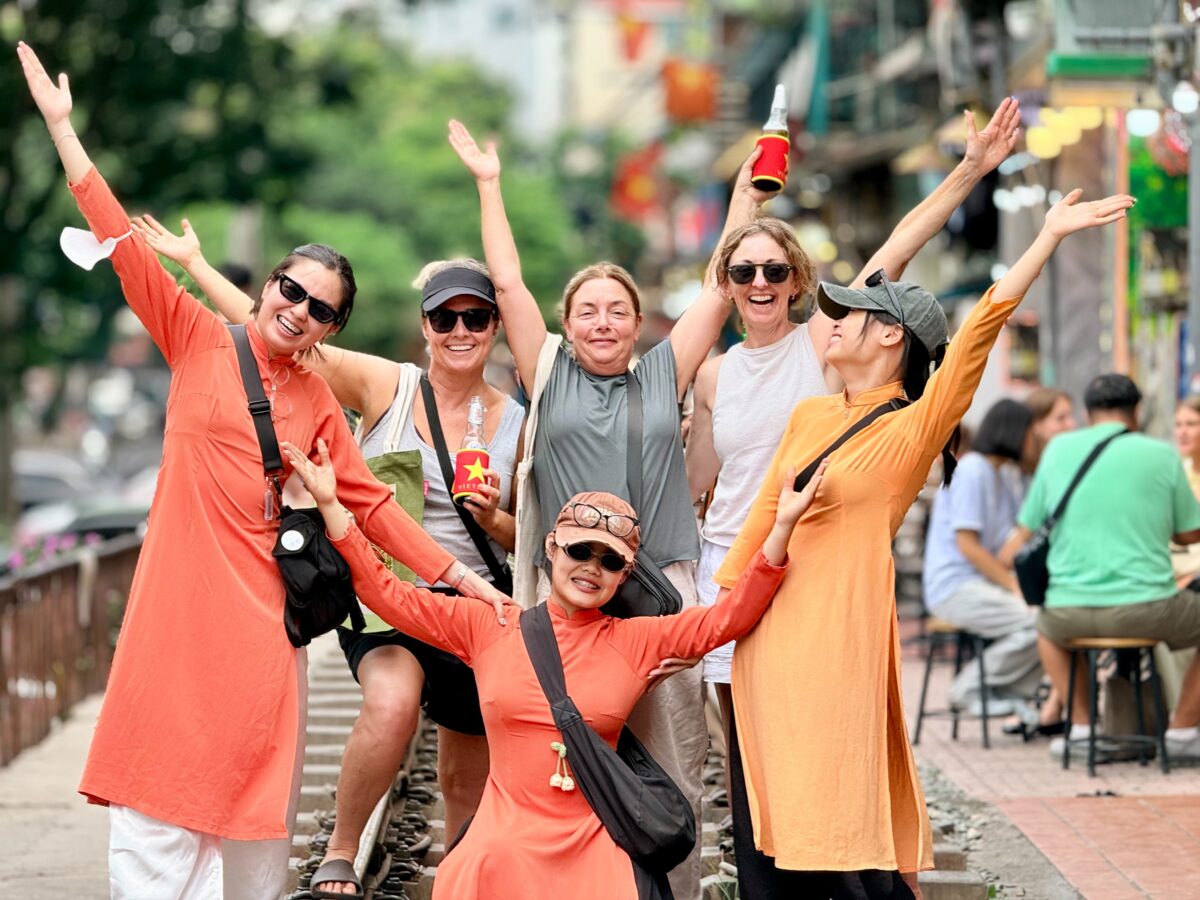
Vietnam Travel Tips Every Woman Should Know
Vietnam is a rewarding destination for women traveling solo, with friends, or as part of a private women-led tour. From Hanoi’s busy Old Quarter and street-food culture to Ha Long Bay, Hoi An, Hue, Da Nang, and Ho Chi Minh City, the country offers very different experiences within one trip. Good preparation makes the journey easier: understand the weather, plan transportation between regions, carry suitable clothing, protect your belongings in crowded areas, and choose reliable tour and accommodation providers. The following Vietnam travel tips cover the practical details women should know before and during their trip.
1. Start Your Vietnam Trip in Hanoi
For a first visit, Hanoi is one of the best places to begin. The city offers a strong introduction to Vietnamese history, food, coffee culture, architecture, markets, and everyday life. Allow at least two or three nights to explore Hoan Kiem Lake, the Old Quarter, the Temple of Literature, Ba Dinh Square, traditional markets, museums, and local restaurants. Hanoi also provides convenient connections to Ha Long Bay and domestic flights to Central and Southern Vietnam.
2. Choose Your Vietnam Itinerary Carefully
Vietnam is geographically long, so avoid trying to visit every famous destination during a short holiday. For seven days, focus on Hanoi, Ha Long Bay, and Hoi An or Da Nang. For 10 days, add Hue and Ho Chi Minh City. With 14 days, you can travel at a more comfortable pace and include the Mekong Delta or another destination. A well-planned itinerary should include free time rather than scheduling activities from morning until night.
3. Check Visa Requirements Before Booking Flights
Vietnam’s visa requirements depend on your nationality. Eligible travelers can apply for an electronic visa, and Vietnam’s official e-visa system states that an e-visa can be valid for up to 90 days with either single or multiple entry. Always check the latest requirements before departure and make sure your passport information is entered exactly as it appears on your travel document. (evisa.gov.vn)
4. Understand Vietnam’s Weather
Vietnam does not have one uniform climate. Hanoi and Northern Vietnam experience cooler winters and hot, humid summers. Central Vietnam has its own rainy and dry periods, while Southern Vietnam remains warm throughout the year with wet and dry seasons. If you are traveling through several regions, check the forecast for each destination instead of relying on the weather in Hanoi alone. Pack lightweight clothing, sun protection, and rain protection, and bring an extra layer for northern Vietnam during cooler months.
5. Pack Clothes for Both Cities and Temples
Most tourist destinations are relaxed about clothing, but women should dress more conservatively when visiting temples, pagodas, and religious sites. Carry a lightweight shirt or shawl that covers your shoulders and choose clothing that covers your knees when required. Comfortable walking shoes are essential because sightseeing often involves uneven pavements, steps, markets, and long walks.
6. Bring Sun Protection
Vietnam can be hot and sunny, particularly during the warmer months. Pack sunscreen, sunglasses, a hat, and lightweight breathable clothing. Reapply sunscreen when spending long periods outdoors, especially during boat trips, beach days, countryside cycling, or mountain excursions. A small umbrella can also be useful for both strong sun and sudden rain.
7. Carry Some Vietnamese Dong
Vietnam uses the Vietnamese dong (VND). Cards are accepted at many hotels, upscale restaurants, shopping centers, and larger businesses, but cash remains important for street food, markets, small cafés, local shops, and some transportation. Keep smaller denominations available for everyday purchases. When receiving change, check the notes carefully because Vietnamese currency uses large numbers and several notes have similar colors.
8. Use Reputable Transportation
Transportation is one of the most important practical considerations for women traveling in Vietnam. For airport transfers, pre-arranged private transportation is convenient, especially when arriving for the first time. In major cities, use established taxi companies or reputable ride-hailing services. For long-distance travel, domestic flights are usually the most efficient way to connect Hanoi, Central Vietnam, and Ho Chi Minh City. Private cars are ideal for shorter regional journeys such as Hue to Hoi An.
9. Be Careful With Phones and Bags Near Traffic
Motorbikes are everywhere in Vietnam’s major cities. When walking beside busy roads, keep your phone and handbag away from the roadside. Avoid holding your phone loosely while standing near traffic. A crossbody bag worn securely across the body is practical for sightseeing. This is a simple precaution that can reduce the risk of opportunistic theft in crowded areas.
10. Do Not Assume You Need to Drive a Motorbike
Vietnam’s motorbike culture is one of the country’s most interesting aspects, but visitors unfamiliar with Vietnamese traffic should think carefully before renting a scooter. Hanoi and Ho Chi Minh City can be particularly challenging for inexperienced riders. Women who want to experience Vietnam by motorbike can instead join a professional motorbike tour with an experienced driver. This allows you to enjoy the scenery, food, neighborhoods, and atmosphere from the passenger seat without navigating traffic yourself.
11. Try a Women-Led Motorbike Tour in Hanoi
A women-led Hanoi motorbike tour can be a particularly enjoyable experience for female travelers. Experienced female drivers can take passengers through different neighborhoods, food areas, markets, and cultural sites while explaining the city along the way. A private tour also allows your group to choose the departure time and interests instead of following a fixed large-group schedule.
12. Be Careful With Food Allergies
Vietnamese food uses many ingredients that may not be obvious from the dish’s English name. Fish sauce, shrimp paste, peanuts, seafood, eggs, soy, and other ingredients can appear in sauces, broths, marinades, and garnishes. If you have a serious allergy, explain it clearly before ordering and consider carrying a written Vietnamese explanation. Travelers with dietary restrictions should also inform their tour operator before meals and cooking classes.
13. Drink Bottled or Filtered Water
For most visitors, bottled or properly filtered water is the easiest choice. Carry a reusable bottle that can be refilled from a reliable filtered-water source at your hotel or tour provider. Avoid swallowing untreated tap water when brushing your teeth if you are unsure about the local water supply. Staying hydrated is particularly important when walking around Hanoi, Ho Chi Minh City, or other hot and humid destinations.
14. Take Care With Street Food Without Avoiding It
Street food is an essential part of the Vietnam experience, and women should not feel they need to avoid it completely. Choose busy stalls where food has a high turnover, observe basic cleanliness, and favor dishes that are cooked thoroughly and served hot. A guided food tour can be a useful introduction because the guide can select established food stalls and explain unfamiliar dishes.
15. Learn a Few Vietnamese Words
English is common in hotels, restaurants, and tourist businesses, but learning a few Vietnamese expressions can make everyday interactions easier. Useful words include “xin chào” for hello, “cảm ơn” for thank you, and “bao nhiêu?” for asking how much something costs. Even a small effort to speak Vietnamese is usually appreciated.
16. Bargain Respectfully at Markets
Prices at traditional markets and some souvenir shops may be negotiable. If you want to bargain, do so politely and with a reasonable price in mind. You do not need to negotiate aggressively over every small purchase. In established stores, restaurants, supermarkets, malls, and many professional tour companies, prices are normally fixed.
17. Keep Your Passport Secure
Keep your passport in a secure place and avoid carrying it unnecessarily when sightseeing unless it is required for a specific activity. A digital copy and a photocopy can be useful backups. Hotels may request passport details during check-in, so keep the original accessible when necessary. Do not leave your passport unattended in a handbag placed on the back of a chair.
18. Choose Your Hotel Location Carefully
The location of your hotel can make a major difference to your Vietnam experience. In Hanoi, staying near the Old Quarter or Hoan Kiem Lake provides convenient access to many attractions and restaurants. In Hoi An, staying within or close to the Ancient Town makes evening exploration easier. In Ho Chi Minh City, choose a location that matches your preferred activities rather than selecting a hotel solely because it has a low price.
19. Do Not Overpack
Vietnam’s climate and casual travel environment mean you generally do not need a large suitcase. Lightweight clothing can be washed during the trip, and laundries are widely available in major destinations. Leave some space for clothing, coffee, handicrafts, souvenirs, and other purchases. Comfortable footwear is more valuable than bringing several pairs of fashionable shoes.
20. Plan for Rain
Rain can occur suddenly, particularly during wetter periods. A compact rain jacket or umbrella should be part of your day bag. If you are visiting Ha Long Bay, mountain regions, or other outdoor destinations, understand that weather can occasionally affect activities. Keep important electronics in a waterproof pouch and avoid scheduling critical connections too tightly after weather-dependent excursions.
21. Allow Enough Time for Airport Transfers
Hanoi and Ho Chi Minh City can experience significant traffic, particularly during busy periods. When traveling to the airport, allow more time than the basic driving distance suggests. For international departures, arrive early enough to complete check-in, immigration, and security without rushing. Private airport transfers can be arranged in advance so you do not need to negotiate transportation after a long day of travel.
22. Use Domestic Flights for Long Distances
Vietnam is long enough that overland travel between major regions can consume an entire day. Domestic flights are usually the most practical option for premium itineraries connecting Hanoi with Da Nang, Hue, or Ho Chi Minh City. Private cars are better suited to regional routes where the journey itself is part of the experience, such as Hoi An to Hue through the Hai Van Pass.
23. Choose Activities According to Your Fitness Level
Vietnam offers everything from relaxed food tours to challenging mountain treks. Do not book an itinerary simply because an activity looks impressive online. Check walking distances, hiking elevation, weather conditions, boat transfers, and physical requirements before confirming. Women traveling together should also consider the different fitness levels within the group and choose activities that everyone can comfortably enjoy.
24. Leave Free Time in Your Itinerary
A common mistake is scheduling too many activities. Leave at least part of each day free when possible for cafés, shopping, spa treatments, photography, swimming, or simply resting. Hoi An and Da Nang are especially suitable for slower travel, while Hanoi and Ho Chi Minh City offer plenty of independent activities between organized tours.
25. Respect Vietnamese Cultural Etiquette
Vietnamese culture places importance on respect, particularly toward older people and religious traditions. Dress appropriately at temples, avoid touching religious objects without permission, and follow instructions when entering homes or sacred spaces. Ask permission before photographing people in personal situations. A friendly and patient attitude will generally make interactions smoother.
26. Keep Emergency Information Available
Save your hotel’s name, address, and telephone number on your phone. Keep copies of your passport and travel insurance details. If you are traveling independently, share your basic itinerary with someone you trust at home. For organized tours, make sure you have the tour operator’s contact information before departure and know where to meet your guide.
27. Consider Travel Insurance
Travel insurance is worth considering for international trips, particularly when your itinerary includes flights, cruises, outdoor activities, or expensive hotels. Check the policy carefully for medical coverage, trip interruption, baggage loss, cancellations, and activities such as trekking or water sports. Do not assume every activity is automatically covered.
28. Women Traveling Together Should Discuss the Itinerary Before Booking
If you are traveling with friends or family, discuss your priorities before making reservations. One person may want food tours while another prefers shopping, beaches, museums, or adventure activities. A private itinerary can be designed around these differences. Agree on the hotel standard, daily activity level, free-time requirements, and budget before booking to avoid problems during the trip.
29. Consider a Private Women-Led Tour
A private women-led tour can be a good option for female travelers who want professional support without joining a large group. Your group can choose the travel dates, hotels, activities, transportation, and daily pace. Female guides and drivers can also provide a comfortable way to experience activities such as Hanoi motorbike tours, food tours, cultural visits, and city sightseeing.
30. Do Not Try to See All of Vietnam in One Trip
Vietnam has far more destinations than can comfortably fit into one short holiday. Hanoi, Ha Long Bay, Hue, Hoi An, Da Nang, Ho Chi Minh City, the Mekong Delta, Sapa, Ha Giang, Phu Quoc, and other regions each deserve time. Seven days is enough for a focused trip, 10 days provides a good introduction to several regions, and 14 days allows a much more relaxed north-to-south journey.
Best Vietnam Route for Women
For a first trip, a practical 10-day route is Hanoi, Ha Long Bay, Hoi An, Hue, and Ho Chi Minh City. A seven-day trip should focus on Hanoi, Ha Long Bay, and Hoi An or Da Nang. With 14 days, add more time in each destination and include the Mekong Delta or another region according to your interests. Starting in Hanoi and using domestic flights between major regions keeps the journey efficient and avoids unnecessary long-distance road travel.
Why Choose Vietnam Women Travel?
Vietnam Women Travel specializes in Premium Private Tours Led by Women, offering customized travel experiences for solo female travelers, groups of friends, families, and private women’s groups. Our team can arrange Hanoi sightseeing, women-led motorbike tours, Ha Long Bay cruises, Hue and Hoi An cultural experiences, Da Nang beach stays, Ho Chi Minh City food tours, Mekong Delta excursions, private transportation, airport transfers, selected 4- and 5-star hotels, and complete multi-day Vietnam itineraries.
Our private approach allows you to travel according to your own schedule rather than following a fixed large-group program. Whether you want a food-focused holiday, a luxury cultural journey, a relaxing beach extension, a women-led motorbike experience, or a combination of different activities, we can tailor the itinerary around your dates, group size, interests, hotel preferences, and travel pace.
Vietnam Women Travel – Premium Private Tours Led by Women
Website: https://vietnamwomentravel.com/
Email: info@vietnamwomentravel.com
Phone / WhatsApp: +84 988 402 008
Contact Vietnam Women Travel for a customized Vietnam itinerary and quotation designed specifically for women traveling solo, with friends, or in a private group.