
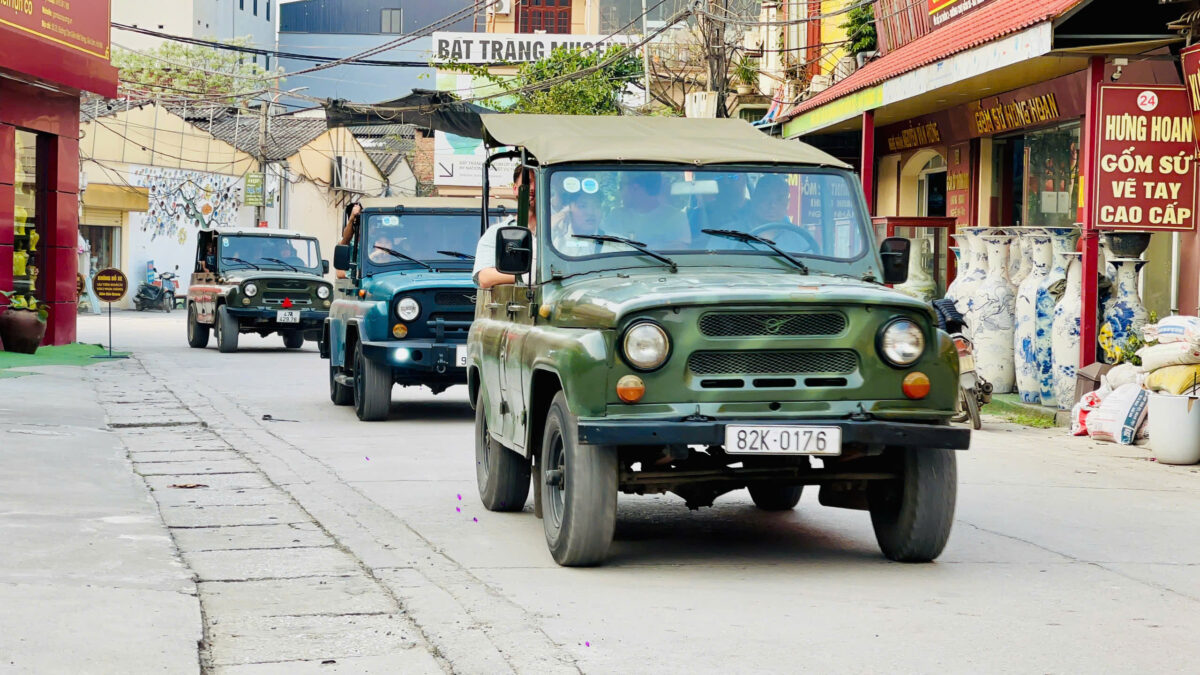
Vietnam Travel Experiences: Food, Culture, Nature & Local Life You Should Discover
Vietnam is best experienced through moments rather than simply a checklist of attractions. A bowl of pho eaten on a tiny sidewalk, the sound of a morning market opening, a Vespa ride through Hanoi’s backstreets, a family meal around a shared table, a quiet boat moving between limestone cliffs, or an evening watching lanterns glow in Hoi An can tell you more about the country than simply visiting another famous monument.
The most rewarding Vietnam travel experiences combine food, culture, nature and everyday life. Vietnam’s geography stretches from mountains and valleys in the north to tropical waterways and islands in the south, while each region has its own cuisine, traditions and rhythm. This diversity is one of the main reasons travelers can return to Vietnam several times and still discover something completely different.
What Makes Vietnam Travel Experiences Special?
Vietnam offers an unusual combination of ancient traditions and fast-changing modern life. In Hanoi, an old temple can sit a few steps from a busy coffee shop; in Hoi An, historic architecture exists alongside contemporary restaurants and creative workshops; in the Mekong Delta, daily life still revolves around rivers, gardens and boats.
The best Vietnam experiences therefore do not always involve the country’s biggest attractions. Sometimes the most memorable moment is sitting on a plastic stool with a bowl of noodles, watching scooters pass through an intersection, learning how a traditional craft is made or sharing tea with someone you have just met.
1. Eat Vietnamese Street Food in Hanoi
Hanoi is one of the best places to begin a culinary journey through Vietnam.
Start with phở, then try bún chả, bánh cuốn, xôi, bánh mì, grilled meats, Vietnamese desserts and the city’s famous egg coffee. Vietnamese cuisine changes considerably from north to south, and Hanoi’s food culture has its own distinctive character.
The best way to experience Hanoi food is not necessarily through an expensive restaurant. Walk through the Old Quarter and look for busy food stalls where people are eating throughout the day.
2. Try Bún Chả in Its Hometown
Bún chả is one of Hanoi’s signature dishes and an essential food experience for first-time visitors.
The dish combines grilled pork, rice noodles, fresh herbs and a sweet-sour dipping sauce. Rather than arriving as one mixed bowl, the ingredients are usually served separately so that you can combine them as you eat.
It is simple, inexpensive and deeply connected with Hanoi’s everyday food culture.
3. Discover Vietnamese Coffee Culture
Coffee is much more than a morning drink in Vietnam.
Try traditional cà phê sữa đá, Vietnamese drip coffee with condensed milk, egg coffee in Hanoi, or a slow cup of black coffee while watching street life.
Cafés range from tiny sidewalk stools to elegant historic buildings and modern specialty coffee shops. Vietnam’s coffee culture is one of the easiest ways to slow down and observe everyday life.
4. Experience Hanoi by Vespa
One of the most exciting ways to experience Hanoi is from the back of a Vespa or motorbike.
Instead of seeing the city through a car window, you can move through narrow streets, residential neighborhoods, markets and small alleys while watching everyday life unfold around you.
A professionally guided Hanoi Vespa Tour Led by Women can combine food, history, architecture and neighborhoods in a single experience without requiring visitors to navigate Hanoi traffic themselves.
5. Explore Hanoi’s Hidden Alleys
Hanoi’s famous attractions are only one layer of the city.
Walk or ride beyond the main streets and you will find tiny cafés, family businesses, traditional houses, neighborhood markets, workshops and streets where residents go about their daily routines.
These ordinary scenes often become some of the strongest memories of a Vietnam trip.
6. Visit Hanoi’s Historic Landmarks
Food and street life are only part of Hanoi.
The Temple of Literature, Ho Chi Minh Complex, Hanoi Opera House, Hoan Kiem Lake, French Quarter and Old Quarter provide different perspectives on the city’s history.
Rather than rushing between every attraction, choose several important sites and spend enough time understanding what makes each one significant.
7. Watch Hanoi Wake Up
One of the simplest Vietnam travel experiences is waking up early.
Around Hanoi, you can see residents exercising beside lakes, opening shops, preparing breakfast, delivering flowers and beginning another working day.
Hoan Kiem Lake and the streets around the Old Quarter are particularly interesting in the early morning before the city becomes busier.
8. Experience Vietnamese Breakfast
Breakfast in Vietnam is often a substantial meal rather than simply coffee and toast.
Depending on where you travel, you might have phở, bún, bánh cuốn, xôi or another regional specialty.
Eating breakfast where residents eat gives you an immediate introduction to the rhythm of Vietnamese life.
9. Cruise Through Ha Long Bay
Ha Long Bay is one of Vietnam’s defining natural experiences.
Limestone islands rise dramatically from emerald-colored water, creating a landscape that is particularly impressive from a boat.
A cruise allows you to see the scenery from a completely different perspective than a land-based sightseeing trip.
10. Kayak Through Limestone Landscapes
If your cruise or excursion allows it, kayaking provides a more intimate way to experience the bay.
Instead of looking at the limestone formations from a large vessel, you move quietly across the water and can approach smaller passages and sheltered areas.
The experience is particularly memorable in calm weather.
11. Discover Cat Ba and Lan Ha Bay
Travelers looking for a different island-and-bay experience can consider Cat Ba and Lan Ha Bay.
Lan Ha Bay offers dramatic limestone scenery and opportunities for kayaking, swimming and boat exploration.
The combination of islands, water and small beaches makes the area an excellent extension to a Northern Vietnam itinerary.
12. Explore Vietnam’s Mountain Landscapes
Northern Vietnam offers a completely different experience from the country’s major cities.
Sapa, Ha Giang, Cao Bang, Bac Kan and other mountainous areas provide dramatic valleys, terraced fields, waterfalls and winding roads.
For travelers who enjoy scenery and outdoor activities, Northern Vietnam can become one of the highlights of the entire journey.
13. See Rice Terraces in Sapa
Sapa is famous for its mountain scenery and terraced rice fields.
The experience changes with the agricultural calendar. During growing and harvest periods, the terraces take on different colors and textures.
Trekking through the surrounding valleys provides a much closer view than simply photographing the landscape from a viewpoint.
14. Meet Mountain Communities
Northern Vietnam is home to diverse ethnic communities with distinctive languages, clothing, architecture, crafts and traditions.
A respectful cultural experience might include visiting a village, learning about traditional textiles, sharing a meal or walking through agricultural landscapes with a knowledgeable guide.
The goal should not be to treat communities as attractions, but to understand the people and traditions that shape the region.
15. Experience the Ha Giang Mountains
Ha Giang is ideal for travelers who want dramatic scenery and a stronger sense of adventure.
Mountain passes, deep valleys, limestone formations and small settlements create a constantly changing landscape.
For visitors without extensive motorcycle experience, traveling with a professional driver can be a safer and more comfortable way to experience the region.
16. See Ban Gioc Waterfall
Ban Gioc Waterfall in Cao Bang offers another spectacular Northern Vietnam landscape.
The waterfall, surrounded by green mountains and agricultural scenery, is especially attractive for travelers interested in photography and nature.
It can be combined with a longer Northern Vietnam journey rather than treated as a quick stop.
17. Discover Traditional Vietnamese Crafts
Vietnam has a long tradition of handicrafts, including ceramics, silk, lacquer, embroidery, woodwork and traditional paper products.
A workshop can turn a simple souvenir into a meaningful travel memory because you learn how the object was created.
Look for experiences where artisans explain their techniques rather than simply selling finished products.
18. Visit a Traditional Village
Traditional craft villages around Hanoi provide opportunities to see production taking place outside conventional tourist attractions.
Depending on the village, you might see pottery, lacquerware, silk, incense or other handmade products.
These visits can be particularly rewarding when combined with a guide who can explain the history and economic importance of the craft.
19. See Incense-Making Villages
The colorful incense displays found around Hanoi have become popular with photographers.
Quang Phu Cau, for example, is known for incense production and the striking arrangement of colorful incense sticks.
The experience becomes more interesting when you learn about the production process instead of visiting only for photographs.
20. Experience Hue’s Imperial Heritage
Hue provides a different cultural experience from Hanoi.
The former imperial capital is associated with the Nguyen Dynasty, royal architecture, temples, tombs and the Perfume River.
Visit the Imperial City, explore the royal tombs and take time to appreciate the quieter atmosphere of Central Vietnam.
Vietnam’s cultural heritage is particularly visible in Hue, Hoi An and Hanoi.
21. Taste Bún Bò Huế
If Hanoi has bún chả, Hue has bún bò Huế.
This rich noodle soup has a deeper and more complex flavor profile, with beef, herbs, noodles and a distinctive spicy broth.
Trying the same category of Vietnamese food in different regions is one of the easiest ways to understand how dramatically Vietnamese cuisine changes from place to place.
22. Explore Hoi An Ancient Town
Hoi An is one of Vietnam’s most atmospheric destinations.
Its historic streets, yellow buildings, riverside setting, lanterns and traditional architecture create a completely different environment from Hanoi or Ho Chi Minh City.
Walk through the Ancient Town during the day, return around sunset and stay into the evening when the lanterns transform the streets.
23. Take a Hoi An Cooking Class
A cooking class can turn Vietnamese food from something you eat into something you understand.
Visit a market, learn about herbs and ingredients, prepare several dishes and then sit down to eat what you have created.
This is especially enjoyable for travelers who want an experience they can continue after returning home.
24. Try Cao Lầu in Hoi An
Cao lầu is strongly associated with Hoi An and is one of the city’s signature dishes.
The noodles, herbs, vegetables and meat create a combination that is distinctly different from Hanoi’s noodle dishes.
Trying regional specialties in their place of origin is one of the best ways to explore Vietnamese food.
25. Drive Along Hai Van Pass
The Hai Van Pass provides one of Central Vietnam’s most memorable road experiences.
The route between Hue and Da Nang climbs through mountains above the coastline, creating spectacular views of the sea and surrounding landscape.
A private car, motorbike or guided journey allows you to stop at viewpoints rather than simply passing through.
26. Explore Da Nang’s Beaches
Da Nang combines urban convenience with a long coastline.
Spend the morning exploring the city, visit cultural attractions in the afternoon and enjoy the beach around sunset.
It is particularly convenient for travelers who want a mixture of city life, food, culture and relaxation without constantly changing hotels.
27. Explore the Caves of Phong Nha
Phong Nha-Ke Bang offers a completely different side of Vietnam.
The region is known for spectacular limestone landscapes and cave systems, including some of the world’s most remarkable underground environments.
Adventure travelers can choose from different levels of cave exploration, while visitors looking for something easier can take more accessible boat and cave excursions.
28. Experience the Mekong Delta
The Mekong Delta is one of the best places to experience Southern Vietnam beyond Ho Chi Minh City.
Rivers, canals, coconut groves, orchards, small boats and agricultural communities shape everyday life.
The experience is less about checking off individual monuments and more about observing how people live alongside the waterways.
29. Take a Boat Through the Delta
A small boat ride through the Mekong Delta can provide an intimate view of the region.
You may pass fruit gardens, riverside houses, fishing boats and narrow waterways surrounded by vegetation.
Combining boat travel with cycling or walking can create a much more varied experience than spending the entire day inside a vehicle.
30. Visit a Mekong Delta Market
Markets are essential to understanding Vietnamese food culture.
In the Mekong Delta, some markets are closely connected to the waterways, while others serve surrounding villages and towns.
Look beyond the products being sold and notice how people interact, negotiate, prepare food and transport goods.
31. Try Tropical Fruit in the Mekong Delta
The Mekong Delta is famous for its agricultural production.
Depending on the season, you may encounter mangosteen, rambutan, dragon fruit, coconut, pomelo and other tropical fruits.
Visiting a garden and tasting fruit directly where it is grown provides a different experience from buying it in a supermarket.
32. Experience Vietnamese Family Meals
One of the most meaningful cultural experiences in Vietnam can be surprisingly simple: sharing a meal.
Vietnamese meals are often designed around several dishes placed in the center of the table, allowing everyone to share.
Rice, vegetables, soup, meat, fish, herbs and dipping sauces create a communal dining experience rather than a single main course for each person.
33. Learn Vietnamese Table Etiquette
Food is an important part of Vietnamese social culture.
Sharing dishes, using chopsticks, offering food to others and eating together are all part of the experience.
You do not need to master every cultural rule before sitting down at a Vietnamese table. Being observant, polite and willing to learn goes a long way.
34. Drink Bia Hơi in Hanoi
For a casual evening experience, try bia hơi, Hanoi’s light fresh beer.
It is traditionally associated with informal sidewalk drinking spots where people gather after work.
The attraction is as much the atmosphere as the beer: small tables, passing traffic, conversations and an energetic street scene.
35. Experience Vietnamese Night Markets
Night markets offer a completely different atmosphere from daytime sightseeing.
You can browse clothing, souvenirs, snacks, handicrafts and street food while watching the streets become increasingly lively.
Hanoi, Hoi An and several other destinations offer evening markets or pedestrian areas where travelers can experience this side of Vietnamese nightlife.
36. Watch a Traditional Performance
Vietnam has a rich tradition of music, theater and performing arts.
Water puppetry is particularly associated with Northern Vietnam, while Hue has its own royal musical traditions and Central Vietnam offers distinctive cultural performances.
A performance can provide useful context for understanding traditions that are difficult to appreciate through sightseeing alone.
37. Experience Tet if Your Dates Allow
Tet, the Vietnamese Lunar New Year, is the country’s most important annual celebration.
Family gatherings, flowers, traditional foods and cultural rituals create a very different atmosphere from an ordinary week.
However, travelers should plan carefully because transportation, shops and tourist services can operate differently during the holiday period.
38. Visit a Vietnamese Market Early in the Morning
Markets are most interesting before the day becomes too hot.
Arriving early lets you see vendors preparing products, shoppers buying breakfast, fresh produce arriving and families beginning their daily routines.
This is one of the easiest ways to observe everyday Vietnamese life without needing a formal tour.
39. Explore Vietnam’s Sidewalk Culture
Sidewalks in Vietnam are often multifunctional spaces.
They can become breakfast restaurants, coffee shops, bicycle parking areas, places to repair motorcycles or informal meeting points.
Sitting down with a coffee and watching this constantly changing street scene can be more revealing than another conventional sightseeing stop.
40. Visit a Local Café
Vietnamese cafés come in almost every style imaginable.
You can find tiny traditional coffee stalls, French-influenced cafés, modern specialty coffee shops, rooftop venues and hidden cafés inside old buildings.
Rather than visiting only famous Instagram locations, try a café recommended by someone who actually knows the neighborhood.
41. Discover Vietnam by Bicycle
Cycling works particularly well in quieter countryside areas.
Around Hoi An, the Mekong Delta and some rural destinations, bicycles allow you to move slowly enough to notice rice fields, gardens, canals, homes and small roads.
It is an excellent contrast to the intensity of Hanoi and Ho Chi Minh City.
42. Take a Countryside Journey
Vietnam’s countryside can feel dramatically different from its major cities.
Rice fields, vegetable gardens, fruit orchards, village roads, ponds and family homes create landscapes that are closely connected to agriculture.
A countryside tour is particularly worthwhile if you have already spent several days in busy urban areas.
43. Stay in a Traditional Homestay
A well-run homestay can provide insight into architecture, food and everyday routines.
In Northern Vietnam, mountain homestays can also provide access to trekking routes and rural landscapes.
Choose responsible accommodations that respect the privacy and culture of the families or communities involved.
44. Experience a Vietnamese Home-Cooked Meal
Restaurant food can be excellent, but a home-cooked meal offers another perspective.
Instead of ordering individual dishes from a menu, you may sit down to rice, vegetables, soup, meat or fish prepared in the household’s usual style.
The experience is particularly memorable because food becomes a way to connect with people rather than simply something to consume.
45. Visit a Floating Village or Waterway Community
In parts of Southern Vietnam, waterways are central to transportation, agriculture and commerce.
Boat-based experiences can reveal how homes, markets, gardens and businesses function around the river system.
The Mekong Delta is particularly suitable for travelers interested in this side of Vietnamese life.
46. Explore Vietnam’s Beaches
Vietnam has a long coastline and many different types of beach destinations.
Da Nang is convenient for combining beaches with city sightseeing. Nha Trang offers a more resort-oriented experience, while Phu Quoc and Con Dao appeal to travelers looking for islands and slower days.
Do not assume every Vietnamese beach destination offers the same atmosphere.
47. Discover Phu Quoc
Phu Quoc combines beaches, tropical landscapes, seafood and resort experiences.
It can work well at the end of a longer Vietnam itinerary when you want several days to relax after sightseeing in Hanoi, Central Vietnam or Ho Chi Minh City.
48. Explore Con Dao
Con Dao offers a quieter island experience with beaches, forests and historical sites.
It is particularly attractive to travelers who want to combine nature with a slower pace rather than spending their entire beach holiday in a major resort center.
49. Visit Da Lat
Da Lat provides a cooler alternative to Vietnam’s tropical lowlands.
Pine forests, flower gardens, cafés, farms and surrounding hills give the city a distinctive atmosphere.
Coffee lovers and travelers looking for a slower urban experience can easily spend several days exploring the area.
50. Experience Vietnam Through Photography
Vietnam is an exceptional destination for photographers because the scenes change constantly.
Morning markets, old buildings, street food, mountains, rice terraces, fishing boats, cafés and modern city streets can all appear within the same itinerary.
The best photographs often come from observing rather than simply searching for famous viewpoints.
51. Experience Vietnam on Two Wheels
For travelers who want to cover more ground while staying connected to the street, two-wheel experiences can be ideal.
In Hanoi, a guided Vespa tour can combine historical landmarks with food, neighborhoods and everyday scenes. In the countryside, cycling provides a slower alternative.
The key is choosing the right style of two-wheel experience for your comfort and ability.
52. Meet Vietnam Through Women-Led Experiences
Travelers increasingly look for experiences that connect them with people rather than simply attractions.
Women-led tours, workshops, food experiences and small businesses can provide a different perspective on Vietnamese life while supporting women working in tourism and hospitality.
For travelers interested in meaningful cultural connections, this can become one of the most memorable parts of a Vietnam itinerary.
53. Shop for Vietnamese Handicrafts
Vietnam offers many opportunities to purchase handmade products.
Look for ceramics, textiles, lacquerware, bamboo products, coffee, tea and carefully produced regional specialties.
Buying directly from artisans or reputable shops can make souvenirs more meaningful and provides a connection between the object and the place where you discovered it.
54. Experience Vietnam Slowly
You do not need to visit five attractions every day.
Spend an afternoon in a café. Walk through a market without a specific destination. Stop for another bowl of noodles. Watch people exercising around a lake. Sit beside a river at sunset.
Slow moments often reveal more about a country than rushing from one landmark to another.
55. Combine Food, Culture and Nature in One Trip
The strongest Vietnam itinerary does not separate every interest into different trips.
You can eat street food in Hanoi, trek through Northern mountains, cruise Ha Long Bay, explore imperial Hue, cycle around Hoi An, relax on a Central Vietnamese beach, discover Ho Chi Minh City’s food scene and finish with the waterways of the Mekong Delta.
Vietnam’s geography makes this combination possible.
Best Vietnam Travel Experiences for First-Time Visitors
If this is your first trip, prioritize experiences that give you a broad understanding of the country.
Start with Hanoi street food and culture, continue to Ha Long Bay, explore Hoi An and Central Vietnam, experience Ho Chi Minh City, and add the Mekong Delta if your schedule allows.
If you have more time, Northern mountain destinations can add another layer of landscapes and cultural experiences.
Best Vietnam Experiences for Food Lovers
Food lovers should not stay in one region.
Try phở and bún chả in Hanoi, bún bò Huế in Hue, cao lầu in Hoi An, mì Quảng in Central Vietnam and southern specialties in Ho Chi Minh City and the Mekong Delta.
Vietnamese cuisine changes noticeably between regions, making a north-to-south food journey particularly rewarding.
Best Vietnam Experiences for Culture Lovers
Culture-focused travelers should spend time in Hanoi, Hue and Hoi An, then consider adding traditional villages and mountain communities.
Museums and historic monuments provide important background, but workshops, performances, markets and food experiences help turn history into something you can actually experience.
Best Vietnam Experiences for Nature Lovers
Nature lovers can choose between Northern mountains, Ha Long Bay, Central Vietnam’s caves and forests, coastal destinations and the waterways of the Mekong Delta.
Vietnam’s natural attractions range from forested peaks and waterfalls to coastline, rivers, caves and wetlands.
Best Vietnam Experiences for Families
Families can combine easy cultural experiences with food, beaches and nature.
Hanoi food tours, Ha Long Bay cruises, Hoi An cycling, beach time in Da Nang and private excursions are all flexible options.
Private transportation can make multi-generational travel considerably easier because the itinerary can be adjusted around children’s energy levels and family preferences.
Best Vietnam Experiences for Couples
Couples can combine romantic scenery with food and cultural experiences.
A private Vespa ride through Hanoi, an evening in Hoi An, a Ha Long Bay cruise, a private dinner, a countryside excursion or several quiet days on an island can create a more personal itinerary than simply following a standard sightseeing route.
Best Vietnam Experiences for Solo Travelers
Solo travelers have considerable flexibility.
Food tours, walking tours, cooking classes, cycling trips and small-group excursions make it easy to meet other travelers while still having independent time.
For more remote destinations such as Ha Giang, professional transportation and guides can make the experience significantly easier.
How to Experience Vietnam Like a Traveler, Not Just a Tourist
The difference is often simple.
Do not only photograph the temple—learn why it matters. Do not only eat the famous dish—ask where the ingredients come from. Do not only visit the market—watch how people use it. Do not only drive through the countryside—stop, walk and observe.
The more you interact with your surroundings, the more Vietnam becomes a collection of experiences rather than a list of destinations.
How Many Vietnam Travel Experiences Can You Fit Into One Trip?
You do not need to experience everything.
For a 7-day Vietnam trip, concentrate on one or two regions. A 10-day itinerary can combine Northern, Central and Southern highlights. With 14 days, you can add more cultural and nature experiences. A 21-day trip allows a much slower journey with mountains, cities, coastlines and the Mekong Delta.
The mistake is trying to see the entire country at maximum speed.
Final Thoughts: Discover Vietnam Through Experiences
Vietnam is not simply a destination for famous landmarks.
It is the smell of grilled pork on a Hanoi street, the sound of a coffee filter dripping into a glass, the view from Hai Van Pass, lanterns reflected in the Thu Bon River, a bowl of bún bò Huế, rice terraces disappearing into mountain valleys, a boat moving through the Mekong Delta and a conversation around a Vietnamese family table.
The most memorable Vietnam travel experiences happen when you slow down enough to notice these details.
Whether your interests are Vietnamese food, culture, nature, photography, adventure, beaches, history or everyday life, the best itinerary is one that gives you opportunities to participate rather than simply observe.
Plan Your Vietnam Travel Experiences With Vietnam Women Travel
Vietnam Women Travel – Premium Private Tours Led by Women specializes in private journeys designed around experiences rather than simply moving from one attraction to another.
A customized itinerary can combine Hanoi street food, private Vespa experiences, cultural sightseeing, traditional villages, countryside excursions, Ha Long Bay, Hoi An, Hue, Ho Chi Minh City and the Mekong Delta according to your interests and travel dates.
For travelers who want to experience Vietnam through food, culture, nature and everyday life, a private itinerary also makes it easier to slow down, change the schedule when something interesting appears and spend more time in the places that genuinely appeal to you.
Why Choose Vietnam Women Travel?
Vietnam Women Travel – Premium Private Tours Led by Women focuses on private travel and women-led experiences rather than large standardized groups. The emphasis is on creating meaningful journeys that combine comfortable transportation, carefully selected activities, Vietnamese food and genuine cultural encounters.
Whether you are traveling as a couple, family, solo traveler or private group, your itinerary can be adapted to your interests, preferred pace and travel style.
Contact Vietnam Women Travel
VIETNAM WOMEN TRAVEL – PREMIUM PRIVATE TOURS LED BY WOMEN
Website: Vietnam Women Travel
Phone / WhatsApp: +84 988 402 008
Email: info@vietnamwomentravel.com
Planning your Vietnam trip in 2026? Create a private journey that goes beyond sightseeing and lets you experience Vietnam through its food, culture, landscapes and everyday life.