
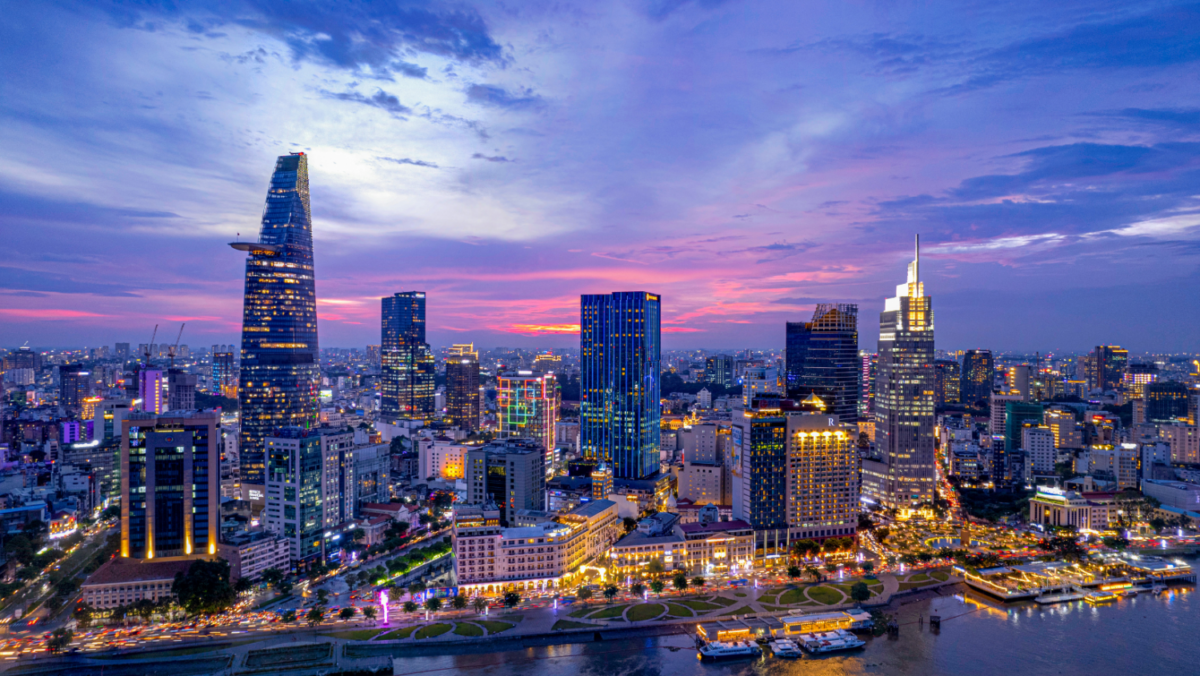
Ho Chi Minh City Guide: Complete Travel Guide to Vietnam’s Largest City
Ho Chi Minh City is Vietnam at its most energetic. Formerly known as Saigon, the country’s largest city combines French colonial architecture, modern skyscrapers, historic landmarks, crowded markets, narrow alleyways, rooftop bars, cafés, street food and neighborhoods that each have their own personality. It is a city where a quiet temple can stand beside a busy commercial street, where an elegant colonial building sits a few blocks from a modern shopping center, and where a simple bowl of noodles can be just as memorable as an expensive restaurant. For first-time visitors, the city can feel overwhelming at first, but once you understand how its districts connect and how to move around, Ho Chi Minh City becomes one of the easiest places in Vietnam to explore independently or through a private tour.

What Is Ho Chi Minh City?
Ho Chi Minh City is the major economic and commercial center of southern Vietnam. Most international visitors still use the name Saigon, particularly when referring to the central area, food, culture and the city’s historical identity. Officially, the city has been called Ho Chi Minh City since 1976.
The city is much larger than the central tourist area. District 1 is where many first-time visitors begin, but neighborhoods such as District 3, District 5, District 10, Binh Thanh, Phu Nhuan and Thu Duc provide very different experiences.
For a short trip, staying around District 1 or District 3 is convenient. Travelers with more time can explore beyond the central tourist zone and discover a much more everyday version of the city.
Why Visit Ho Chi Minh City?
Ho Chi Minh City is worth visiting because it gives travelers access to several different sides of Vietnam in one place.
You can spend the morning exploring historic buildings, have lunch at a traditional Vietnamese restaurant, visit a Chinese-Vietnamese neighborhood in the afternoon, drink coffee in a narrow alley and finish the evening at a rooftop overlooking thousands of city lights.
The city is also the main gateway to southern Vietnam. From here, travelers can continue to the Mekong Delta, Cu Chi Tunnels, Tay Ninh, Can Tho, Phu Quoc and other destinations in the south.
For food lovers, Ho Chi Minh City is particularly rewarding because regional Vietnamese cuisine from across the country is represented here.
District 1
District 1 is the traditional center of Ho Chi Minh City and the most convenient area for first-time visitors.
Many of the city’s major landmarks are within walking distance or a short taxi ride from one another.
Important attractions include:
Notre Dame Cathedral area
Saigon Central Post Office
Independence Palace
Saigon Opera House
Nguyen Hue Walking Street
Ben Thanh Market
Book Street
Bitexco Financial Tower
District 1 is also packed with restaurants, cafés, bars and hotels.
It is busy, but that energy is part of the experience.
District 3
District 3 sits immediately beside District 1 but generally feels more residential.
The area is known for tree-lined streets, traditional restaurants, cafés, old villas and a large concentration of local food.
It is an excellent choice for travelers who want easy access to central attractions without staying directly in the busiest tourist zone.
District 3 is particularly good for exploring Vietnamese coffee culture and traditional southern food.
District 5 and Cho Lon
District 5 is home to Cho Lon, Ho Chi Minh City’s historic Chinatown.
This is one of the most culturally interesting areas of the city.
Chinese-Vietnamese communities have shaped the neighborhood’s architecture, markets, temples, food and commercial traditions for generations.
The area is particularly interesting for travelers who want to understand how different communities have contributed to the city’s development.
Binh Thanh
Binh Thanh lies north of the central districts and has a much more mixed atmosphere.
Modern apartment towers sit close to older neighborhoods, markets and small restaurants.
The district is also close to the landmark Landmark 81, one of the city’s most recognizable modern buildings.
Binh Thanh is a good place to stay if you want a combination of modern accommodation and more local surroundings.
Thao Dien
Thao Dien in Thu Duc City is popular with expatriates, international restaurants, cafés and contemporary businesses.
The neighborhood feels very different from central Saigon.
You will find international cuisine, specialty coffee, boutique shops and riverside venues.
It is not the best place if your priority is walking directly to the major historic landmarks, but it can be attractive for longer stays.
Ben Thanh Market
Ben Thanh Market is one of Ho Chi Minh City’s most recognizable landmarks.
The market sells clothing, souvenirs, coffee, spices, dried foods, handicrafts and prepared food.
It is particularly busy during the day and is worth visiting even if you do not intend to buy anything.
The surrounding streets also contain many restaurants and small shops.
If you are shopping, compare prices before buying and remember that bargaining is part of the market experience.

Nguyen Hue Walking Street
Nguyen Hue Walking Street is one of the city’s most recognizable public spaces.
The wide pedestrian boulevard stretches through the heart of District 1 and connects the area around City Hall with the Saigon River.
The street is especially lively in the evening when residents and visitors gather, take photographs and enjoy the cooler temperatures.
It is an easy place to visit after dinner.
Ho Chi Minh City Hall
The historic Ho Chi Minh City Hall, officially the People’s Committee Building, is one of the most recognizable French colonial-era buildings in the city.
The building itself is not generally open as a standard tourist attraction, but the exterior is an important photographic landmark.
Visit it together with Nguyen Hue Walking Street because they are directly connected.
At night, the illuminated facade becomes particularly attractive.
Saigon Central Post Office
The Saigon Central Post Office remains one of the city’s most famous architectural landmarks.
The building dates from the late 19th century and features a grand interior with high ceilings, decorative details and a large clock.
It continues to function as a post office, so visitors can experience it as both a historic building and an operating public facility.
Its location makes it easy to combine with the cathedral area and Independence Palace.
Notre Dame Cathedral of Saigon
Notre Dame Cathedral Basilica of Saigon is one of the city’s best-known historic buildings.
The red-brick structure is closely associated with the French colonial period.
Visitors should check current access conditions before planning an interior visit because restoration and maintenance work can affect access.
Even when the interior is unavailable, the surrounding architectural complex remains an important stop.
Independence Palace
Independence Palace, also known as the Reunification Palace, is one of the most important historical sites in Ho Chi Minh City.
The building played a central role in the final stages of the Vietnam War.
Its architecture, underground areas, meeting rooms, command facilities and preserved interiors provide insight into the political history of modern Vietnam.
Allow at least 1.5–2 hours if you want to explore the site properly rather than simply photographing the exterior.

War Remnants Museum
The War Remnants Museum is one of the most visited museums in Ho Chi Minh City.
Its exhibitions focus heavily on the Vietnam War and its consequences, including military equipment, photography and accounts of the effects of conflict.
The museum presents a strongly Vietnamese perspective and some displays contain difficult material.
Allow at least 1.5–2 hours.
For visitors interested in modern Vietnamese history, it is one of the most important museums in the city.
Ho Chi Minh City Museum
The Ho Chi Minh City Museum is housed in a historic building and presents material connected to the city’s development and history.
It is less visited than the War Remnants Museum but provides useful context about Saigon’s past.
The building itself is also worth seeing.
Saigon Opera House
The Saigon Opera House, officially the Municipal Theatre of Ho Chi Minh City, is an elegant French colonial building in the heart of District 1.
The theatre hosts cultural performances, including contemporary Vietnamese productions.
Even if you do not attend a show, the exterior is easy to visit while exploring Dong Khoi Street and Nguyen Hue.
Dong Khoi Street
Dong Khoi Street is one of the city’s historic commercial streets.
It connects several important landmarks, including the Opera House, major hotels, boutiques and colonial-era buildings.
The area is more polished than many parts of the city and is useful for travelers interested in architecture, shopping and upscale restaurants.
Saigon River
The Saigon River runs through the city and provides a completely different perspective from the streets.
A river cruise can be a relaxing way to see the skyline, especially around sunset.
For a more intimate experience, consider a private boat rather than a large group cruise.
The riverfront is also pleasant for an evening walk.
Landmark 81
Landmark 81 dominates the modern Ho Chi Minh City skyline.
Located in Binh Thanh, the skyscraper forms part of a major urban development complex.
The observation area provides extensive views across the city, while the surrounding complex includes restaurants, shopping and entertainment.
For photography, the skyline is particularly impressive after dark.
Bitexco Financial Tower
Bitexco Financial Tower is another defining feature of the central skyline.
The tower’s distinctive helipad-inspired design has made it one of the city’s most recognizable buildings.
Its location in District 1 makes it convenient for visitors who want a city viewpoint without traveling far from the historic center.
Chinatown and Thien Hau Temple
One of the most rewarding experiences in Cho Lon is visiting Thien Hau Temple.
The temple is dedicated to Thien Hau, a Chinese sea goddess, and has served the local Chinese-Vietnamese community for generations.
The incense-filled interior, carved woodwork, statues and roof decorations create an atmosphere completely different from the city’s modern center.
Visit in the morning when the surrounding neighborhood is active.
Binh Tay Market
Binh Tay Market is located in Cho Lon and is an important wholesale and commercial market.
Compared with Ben Thanh Market, the atmosphere is more strongly connected to everyday trade.
The surrounding streets are equally interesting, with traditional Chinese-Vietnamese businesses, food stalls and small shops.
A walking tour through Cho Lon is one of the best ways to experience this part of the city.
Ho Chi Minh City Food
Food is one of the biggest reasons to spend several days in Saigon.
The city brings together dishes from southern Vietnam and specialties from other regions.
Important dishes to try include:
Com Tam
Hu Tieu
Banh Xeo
Banh Mi
Bo La Lot
Banh Canh Cua
Oc
Bun Thit Nuong
Goi Cuon
Che
Com Tam
Com Tam, or broken rice, is one of the signature dishes of southern Vietnam.
The classic version often includes grilled pork, shredded pork skin, egg and pickled vegetables, served with sweet fish sauce.
It is commonly eaten for breakfast or lunch but can be enjoyed throughout the day.
A good Com Tam restaurant is one of the easiest ways to experience everyday southern Vietnamese food.
Hu Tieu
Hu Tieu is a southern Vietnamese noodle soup with many variations.
The broth can be clear and slightly sweet, reflecting southern culinary preferences.
Depending on the restaurant, toppings may include pork, shrimp, squid, vegetables and fish.
Try both soup and dry versions if you have several days in the city.
Banh Xeo
Southern Banh Xeo is generally larger and more generously filled than the smaller versions found in Central Vietnam.
The crispy crepe is wrapped with herbs and vegetables before being dipped into sauce.
It is best eaten immediately while the shell is still crunchy.
Banh Mi
Ho Chi Minh City is one of the best places in Vietnam to explore different styles of Banh Mi.
You can find simple street versions for breakfast as well as more elaborate modern interpretations.
Try one from a busy street vendor, but choose stalls with high turnover and good food-handling practices.
Oc — Vietnamese Snail and Shellfish Restaurants
An evening at an Oc restaurant is a classic Saigon experience.
Menus can include snails, clams, oysters, scallops, crab and other shellfish prepared with garlic, chili, butter, tamarind or grilled toppings.
These restaurants are particularly popular among Vietnamese residents in the evening.
If you enjoy seafood, this is one of the most enjoyable ways to experience the city’s food culture.
Vietnamese Coffee
Ho Chi Minh City has a huge coffee culture.
Try:
Ca Phe Sua Da
Black iced coffee
Salt coffee
Egg coffee
Coconut coffee
Traditional cafés can be tiny, sometimes occupying only a few chairs along a narrow street.
Specialty coffee shops provide a more modern interpretation.
Street Food Tours
A food tour is one of the easiest ways for first-time visitors to understand the city.
A good food-focused itinerary should not simply visit famous restaurants.
It should combine street stalls, family-run eateries, markets, cafés and neighborhood food streets.
For travelers unfamiliar with Vietnamese food, having a guide explain ingredients and ordering customs makes the experience much easier.
Best Time to Visit Ho Chi Minh City
Ho Chi Minh City has a tropical climate with a dry season generally running from December to April and a rainy season generally from May through November.
Temperatures remain warm throughout the year.
The rainy season does not mean it rains continuously. Many days have heavy showers lasting a relatively short period, followed by clearer weather.
The dry season is generally easier for sightseeing, but the city can be hot.
Ho Chi Minh City in the Dry Season
December through April is excellent for walking tours, historical sightseeing and day trips.
The main challenge is heat, especially around midday.
Start outdoor sightseeing early and use cafés, museums and restaurants during the hottest hours.
Ho Chi Minh City in the Rainy Season
Rain can be heavy, but it does not necessarily ruin a trip.
Carry a compact umbrella or rain jacket.
If heavy rain begins, use it as an opportunity to visit a museum, café, market or restaurant.
Traffic can become slower during major downpours, so allow additional time for airport transfers and cross-city journeys.
How Many Days Do You Need in Ho Chi Minh City?
2 days: enough for the major central attractions.
3 days: ideal for first-time visitors.
4 days: allows time for Cho Lon and a day trip.
5 days: excellent for combining the city with Cu Chi Tunnels or the Mekong Delta.
If you have only two days, stay central.
If you have three or four days, explore beyond District 1.
Ho Chi Minh City 2-Day Itinerary
Day 1: Start with Independence Palace and the War Remnants Museum, then walk toward the Central Post Office and Notre Dame Cathedral area. Continue along Dong Khoi Street to the Opera House and Nguyen Hue Walking Street. Spend the evening around the riverfront and enjoy a southern Vietnamese dinner.
Day 2: Explore Ben Thanh Market in the morning, then continue toward Cho Lon for Binh Tay Market and Thien Hau Temple. Return to central Saigon for coffee and shopping before enjoying an evening street food tour.
Ho Chi Minh City 3-Day Itinerary
Day 1: Explore the historic center with Independence Palace, War Remnants Museum, Central Post Office, Notre Dame Cathedral area, Opera House and Nguyen Hue Walking Street.
Day 2: Discover the city’s food culture with Ben Thanh Market, traditional cafés, Com Tam, Banh Xeo and evening seafood. Add a rooftop viewpoint around sunset.
Day 3: Explore Cho Lon, Binh Tay Market and Thien Hau Temple before spending the afternoon in a quieter neighborhood such as District 3 or Binh Thanh.
Ho Chi Minh City 4-Day Itinerary
Day 1: Historic central Ho Chi Minh City.
Day 2: Food, markets, cafés and modern skyline.
Day 3: Cho Lon and the Chinese-Vietnamese heritage of the city.
Day 4: Choose between Cu Chi Tunnels, Mekong Delta or a slower city day.
This itinerary gives you more flexibility than trying to visit every attraction in a single weekend.
Ho Chi Minh City 5-Day Itinerary
Day 1: Historic District 1.
Day 2: Museums, markets and food.
Day 3: Cho Lon and District 5.
Day 4: Cu Chi Tunnels.
Day 5: Mekong Delta or a relaxed city experience with cafés, shopping and spa time.
For premium travelers, a private car and guide make the day trips much more comfortable.
Cu Chi Tunnels
The Cu Chi Tunnels are one of the most popular excursions from Ho Chi Minh City.
The tunnel network was used by Viet Cong forces during the Vietnam War and became an important part of the area’s wartime history.
Visitors can explore sections of the tunnel system and learn about underground life during the conflict.
There are two major visitor areas, Ben Dinh and Ben Duoc, with different historical contexts and visitor experiences.
A private tour is preferable if you want to leave the city early and avoid the busiest periods.
Mekong Delta from Ho Chi Minh City
The Mekong Delta is another popular extension from Ho Chi Minh City.
For a day trip, destinations around Ben Tre can provide an introduction to canals, fruit orchards, boats and rural life.
However, if you have enough time, spending at least one night in the delta is much more rewarding.
The experience becomes less rushed and allows you to see early-morning river activity.
Ho Chi Minh City Nightlife
The city remains active well after dinner.
Popular evening experiences include:
Nguyen Hue Walking Street
Rooftop bars
Live music
Craft beer venues
Street food
Night markets
Riverfront restaurants
The best nightlife depends on your preferred atmosphere.
You do not need to visit the loudest clubs to experience Saigon at night.
A rooftop drink followed by street food can be much more memorable.
Rooftop Views
Ho Chi Minh City looks dramatically different after dark.
Rooftop venues around District 1 and Binh Thanh provide views of the illuminated skyline.
Sunset is particularly popular, so arrive before dark if you want a good table.
For photographers, the transition from daylight to city lights creates some of the best skyline images.
Shopping in Ho Chi Minh City
Shopping ranges from traditional markets to modern luxury malls.
For souvenirs, consider:
Vietnamese coffee
Tea
Handmade ceramics
Lacquerware
Silk
Handicrafts
Local snacks
For higher-end shopping, District 1 and modern shopping centers provide international and Vietnamese brands.
Ho Chi Minh City for Families
Families can enjoy the city, but traffic and heat require careful planning.
Choose hotels with swimming pools when traveling with children.
Plan one major sightseeing activity in the morning and keep afternoons flexible.
Good family-friendly options include:
Central Post Office
Nguyen Hue
Ben Thanh Market
Saigon River
Mekong Delta
Cu Chi Tunnels for older children
Avoid packing too many museums into one day.
Ho Chi Minh City for Couples
Couples can create a more relaxed itinerary around food, architecture and evening experiences.
Consider:
Private street food tour
Sunset rooftop
Saigon River cruise
Colonial architecture walk
Couples’ spa
Private Mekong Delta excursion
Fine dining
The city works especially well for couples who enjoy food and urban experiences.
Ho Chi Minh City for History Lovers
History is one of the city’s strongest themes.
A serious history itinerary can include:
Independence Palace
War Remnants Museum
Ho Chi Minh City Museum
Central Post Office
Colonial architecture
Cho Lon
Cu Chi Tunnels
A private guide can help connect these locations into a coherent historical story rather than treating them as unrelated attractions.
Ho Chi Minh City for Photographers
The city offers endless photographic opportunities.
Sunrise: markets and quiet streets.
Morning: colonial architecture.
Midday: cafés and indoor attractions.
Afternoon: Cho Lon.
Sunset: Saigon River and skyline.
Night: Nguyen Hue and city traffic.
The contrast between old and new is particularly strong.
A modern skyscraper can appear behind a traditional shophouse within the same frame.
Getting Around Ho Chi Minh City
Walking: best for short distances within central areas.
Taxi: convenient for longer journeys.
Ride-hailing: useful for short trips and price transparency.
Motorbike: fast but requires experience and caution.
Private car: best for families, airport transfers and full-day excursions.
Do not underestimate traffic.
A journey that looks short on a map can take significantly longer during rush hour.
Crossing the Streets
One of the first challenges for visitors is crossing busy streets.
Do not suddenly run across.
Walk steadily and predictably so approaching motorbikes can anticipate your movement.
At major intersections, use traffic lights and pedestrian crossings when available.
If you are uncomfortable crossing alone during your first day, ask your guide or hotel staff for assistance.
Airport Transfers
Tan Son Nhat International Airport is located relatively close to the central districts but traffic can make transfer times unpredictable.
For international arrivals, allow extra time during rush hours.
Premium travelers should arrange a private airport transfer in advance, especially when arriving late at night or traveling with luggage and children.
Where to Stay in Ho Chi Minh City
District 1
Best for first-time visitors and travelers who want maximum convenience.
District 3
Excellent for cafés, restaurants and a slightly quieter environment.
Binh Thanh
Good for modern hotels and skyline views.
District 5
Best for travelers interested in Cho Lon and Chinese-Vietnamese culture.
Thao Dien
Best for longer stays, international restaurants and a more residential atmosphere.
For a first visit of two or three nights, District 1 or District 3 is usually the easiest choice.
Ho Chi Minh City Travel Costs
Ho Chi Minh City offers every level of travel.
Budget travelers can eat extremely well at street stalls and local restaurants.
Mid-range travelers can find comfortable hotels and restaurants without spending heavily.
Luxury travelers have access to five-star hotels, private dining, rooftop venues, spas, private cars and customized tours.
The most important cost difference comes from accommodation and transportation rather than basic food.
What to Wear
Ho Chi Minh City is hot and humid for much of the year.
Wear:
Light shirts
Breathable trousers or shorts
Comfortable walking shoes
Sandals
Hat
Sunglasses
Light rain jacket
For temples and religious sites, dress respectfully and avoid excessively revealing clothing.
Ho Chi Minh City Travel Safety
Ho Chi Minh City is generally straightforward for travelers, but visitors should pay attention to traffic and personal belongings.
Keep phones and cameras away from the road edge when walking beside busy streets.
Use reputable transportation services.
Keep valuables secure in crowded markets.
Be cautious when crossing roads.
During heavy rain, watch for slippery sidewalks and temporary flooding.
Responsible Travel in Ho Chi Minh City
Choose restaurants and businesses that treat workers fairly.
Avoid wasting food.
Carry a reusable bottle when possible.
Dispose of rubbish properly.
Respect religious sites.
Ask permission before taking close-up photographs of people.
When visiting historic sites, follow rules concerning photography and restricted areas.
Ho Chi Minh City Travel Tips
Stay central for your first visit.
Start sightseeing early.
Avoid packing too many attractions into one day.
Use museums during the hottest hours.
Try local food instead of eating only international cuisine.
Explore District 5 if you have time.
Book airport transfers during busy periods.
Allow extra time for traffic.
Carry cash for small food stalls and markets.
Keep your phone secure near busy roads.
Try Vietnamese coffee at a traditional café.
Spend at least one evening outside the hotel. Saigon is particularly interesting after dark.
Is Ho Chi Minh City Worth Visiting?
Absolutely.
Ho Chi Minh City is not the easiest city to understand during the first few hours.
It is noisy, busy, hot and full of traffic.
But that intensity is precisely what makes it memorable.
Once you move beyond the main tourist attractions, the city becomes much more interesting.
You discover tiny cafés hidden behind alleyways, family restaurants operating for decades, traditional markets, temples filled with incense, old apartment buildings, street vendors preparing food and neighborhoods where daily life continues largely away from the tourist industry.
For a first visit, three days provides a strong introduction.
Four or five days allows you to add Cho Lon, Cu Chi Tunnels and the Mekong Delta without rushing.
Explore Ho Chi Minh City With Vietnam Women Travel
Vietnam Women Travel – Premium Private Tours Led by Women offers private experiences in Ho Chi Minh City designed around your interests rather than a fixed group schedule.
A private city experience can combine Independence Palace, War Remnants Museum, Central Post Office, Notre Dame Cathedral area, Nguyen Hue Walking Street, Ben Thanh Market, Cho Lon, Binh Tay Market, Thien Hau Temple, Saigon River, local food streets and hidden cafés.
For food lovers, a private culinary tour can focus on Com Tam, Hu Tieu, Banh Xeo, Banh Mi, Bo La Lot, Oc, Vietnamese coffee and southern specialties. Couples can enjoy private dining, rooftop views, river experiences and relaxed city walks, while families can have a flexible itinerary with private transportation and shorter sightseeing periods.
Ho Chi Minh City is also the natural starting point for a premium southern Vietnam journey:
Hanoi → Hue → Hoi An → Da Nang → Ho Chi Minh City → Mekong Delta → Phu Quoc
or:
Hanoi → Da Nang → Quy Nhon → Phu Yen → Ho Chi Minh City → Mekong Delta
All Vietnam Women Travel journeys are private tours led by women, with personalized transportation, carefully selected experiences and itineraries designed around your travel style.
Vietnam Women Travel – Premium Private Tours Led by Women
Website: https://vietnamwomentravel.com/
Hotline / WhatsApp: +84 988 402 008 | +84 982 416 518 | +84 981 090 989
Email: info@vietnamwomentravel.com
Ho Chi Minh City Guide | Ho Chi Minh City Travel Guide | Saigon Guide | Saigon Travel Guide | Ho Chi Minh City Attractions | Things to Do in Ho Chi Minh City | Ho Chi Minh City Food | Saigon Street Food | Ben Thanh Market | Cu Chi Tunnels | War Remnants Museum | Independence Palace | Cho Lon | Mekong Delta | Ho Chi Minh City Itinerary | Ho Chi Minh City Travel Tips | Southern Vietnam Travel Guide