
Sapa Guide 2026: Complete Travel Guide to Vietnam’s Mountain Paradise
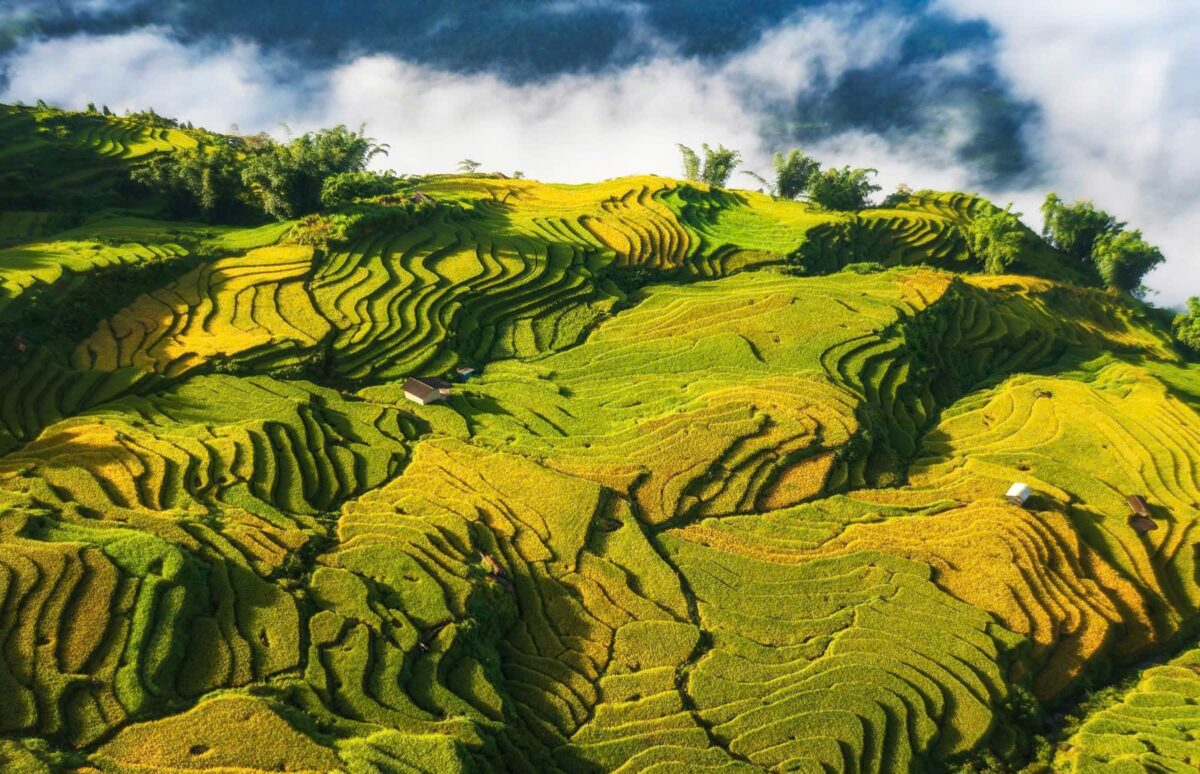
Sapa is one of northern Vietnam’s most distinctive mountain destinations, set at roughly 1,600 meters above sea level in the Hoang Lien Son range of Lao Cai Province. The town is best known for dramatic rice terraces, mist-covered mountains, ethnic minority communities, trekking routes and Fansipan, Vietnam’s highest mountain at 3,143 meters. While Sapa town provides convenient hotels, restaurants and transport, the most memorable experiences usually happen beyond the center, where the landscape opens into Muong Hoa Valley and villages such as Lao Chai, Ta Van and Y Linh Ho.
Why Visit Sapa?
Sapa offers a completely different atmosphere from Vietnam’s major cities and coastal destinations. Cool mountain air, steep valleys, waterfalls, bamboo forests and enormous rice terraces create a landscape that changes dramatically with the seasons. Travelers can combine gentle sightseeing with challenging hikes, visit traditional villages, ride the cable car toward Fansipan, enjoy mountain cuisine or spend a night in a valley homestay. Sapa is particularly rewarding for travelers who want scenery and outdoor experiences rather than a destination focused mainly on museums and monuments.
The surrounding valleys are also culturally important. Black Hmong, Red Dao, Tay and Giay communities have shaped the agricultural landscape and village traditions of the region for generations. Muong Hoa Valley is especially famous for its terraced fields and network of walking routes connecting several communities.
Best Things to Do in Sapa
Trek Through Muong Hoa Valley
If you have time for only one major experience in Sapa, make it a trek through Muong Hoa Valley. The valley contains some of the region’s most impressive rice terraces and connects villages including Y Linh Ho, Lao Chai and Ta Van. Walking rather than simply viewing the valley from a vehicle allows you to experience the changing scenery at ground level, cross small paths between terraces and see how mountain communities live and cultivate the land. Routes range from relatively gentle walks to longer hikes requiring good fitness, so choose according to weather and ability.
Visit Fansipan
At 3,143 meters, Fansipan is Vietnam’s highest mountain and the highest summit in Indochina. For travelers who do not want a demanding multi-day climb, the Fansipan cable-car system provides access to the upper mountain, followed by steps or additional transport toward the summit area. Conditions can change quickly at altitude, however, and clouds may completely cover the mountain even when Sapa town looks clear. Check the forecast before going and bring warm layers regardless of the season.
Explore Lao Chai and Ta Van
Lao Chai and Ta Van are among the best-known villages in the Muong Hoa area. They are commonly included on trekking routes because they combine dramatic terraces with opportunities to learn about the communities living in the valley. Ta Van is also a popular place for overnight stays, allowing travelers to experience the quieter side of the valley after day visitors have left.
Discover Cat Cat Village
Cat Cat Village is close to Sapa and is one of the easiest cultural excursions from town. The route combines mountain scenery, traditional-style houses, small paths, waterfalls and viewpoints. Because of its accessibility, Cat Cat can become busy, particularly during holidays and peak periods. For a quieter trekking experience, consider going deeper into the Muong Hoa Valley.
Walk Around Sapa Town
Do not overlook the town itself. Sapa Stone Church, the central square, small cafés, markets and mountain viewpoints provide an easy introduction to the destination. The town is also useful as a base for arranging transportation, trekking and excursions into the surrounding valleys.
Explore O Quy Ho Pass
O Quy Ho Pass is one of the spectacular mountain roads in northern Vietnam, connecting the Sapa area with Lai Chau. The road climbs through the Hoang Lien Son mountains and offers expansive views when the weather is clear. It is especially worthwhile for travelers interested in scenic drives and photography.
Visit Ta Phin Valley
Ta Phin is another option for travelers wanting to move beyond Sapa’s busiest attractions. The valley is associated particularly with Red Dao communities and offers mountain scenery, village experiences and opportunities to learn about traditional herbal practices. It can be combined with other northern Sapa excursions depending on your schedule.
When Is the Best Time to Visit Sapa?
Sapa can be visited throughout the year, but the landscape changes considerably between seasons. March to May brings spring scenery and increasingly pleasant trekking conditions, while the rice terraces become particularly attractive during the growing season. September and October are widely regarded as the most spectacular period for photographers because the terraces can turn golden around harvest time.
June to August produces lush green mountain scenery but also brings more rain, which can make trekking trails muddy and slippery. December to February is much colder, with frequent mist and occasional frost at higher elevations. Winter can create a beautifully atmospheric Sapa, but mountain views are less predictable.
For the classic golden-rice-terrace experience, aim for late September or early October, while spring is an excellent alternative for travelers who prefer greener landscapes and comfortable hiking conditions.
How Many Days Do You Need in Sapa?
Two full days can cover the main highlights, but three days gives you considerably more flexibility. A two-day trip could combine Fansipan with a Muong Hoa Valley trek. With three days, you can slow the pace, visit additional villages such as Ta Phin, explore O Quy Ho Pass or spend a night in the valley. Travelers who enjoy hiking can easily extend the trip to four days or more.
How to Get to Sapa from Hanoi
Sapa is approximately 320–380 kilometers northwest of Hanoi depending on the route and is normally reached by road or by combining rail and road transportation. Direct buses and limousine-style services from Hanoi generally take around five to six hours, depending on traffic and road conditions. Private cars provide greater flexibility and can be useful for premium travelers who want door-to-door service.
The traditional railway option is to travel from Hanoi to Lao Cai and then continue by road to Sapa. However, travelers looking for a faster and simpler journey will often find a direct road transfer more convenient.
Where to Stay in Sapa
Your choice of accommodation depends largely on the type of trip you want. Staying in central Sapa is convenient for restaurants, cafés, shopping and easy access to transportation. It is the practical choice for short visits focused on Fansipan and organized excursions.
For a quieter experience, consider accommodation in or around Muong Hoa Valley. Boutique mountain properties, lodges and homestays provide terraces overlooking rice fields and easier access to trekking routes. A valley stay is particularly attractive for travelers who want to wake up surrounded by mountains rather than in the center of town.
What to Eat in Sapa
Sapa’s cool climate makes hearty northern mountain food especially enjoyable. Look for grilled meats and vegetables, mountain-style hotpot, salmon and sturgeon dishes, bamboo-cooked rice, smoked meats and traditional corn or rice-based specialties. The town also has numerous cafés and restaurants catering to international travelers, while valley homestays can offer a more intimate dining experience.
For an especially memorable evening, try a hotpot or barbecue dinner when temperatures drop. Sapa’s cool weather makes outdoor or open-air dining particularly pleasant outside the rainy periods.
What to Pack for Sapa
Pack layers rather than relying on a single heavy jacket. Temperatures can change quickly between sunny afternoons and misty mornings, particularly around Fansipan. Comfortable walking shoes are essential for trekking, while a waterproof jacket is useful during the wetter months. A small backpack, reusable water bottle, sun protection and basic personal medication are also practical.
If you plan to trek through Muong Hoa Valley, choose shoes with good grip. After rain, some paths can become slippery and muddy, so ordinary fashion sneakers may not be suitable for longer walks.
Sapa Travel Tips
Start outdoor activities early whenever possible. Mountain clouds can build during the day, reducing visibility around Fansipan and the higher viewpoints. Weather forecasts are useful, but conditions in the mountains can change much faster than they do in Hanoi.
Do not judge Sapa only by its town center. The surrounding valleys are where the destination’s most distinctive landscapes are found. If your schedule allows, dedicate at least half a day to trekking rather than spending the entire trip around the central streets.
When visiting villages, ask before photographing people, homes or private spaces. Dress practically and respectfully, especially when visiting communities or staying in family-run accommodation. For longer treks, using a qualified guide is also recommended because mountain paths can become difficult to follow in poor visibility or after heavy rain.
Suggested Sapa Itinerary
A well-balanced three-day Sapa trip can begin with arrival from Hanoi and an easy afternoon exploring the town, visiting the Stone Church and enjoying the mountain atmosphere. On the second day, devote most of the day to a Muong Hoa Valley trek through Y Linh Ho, Lao Chai and Ta Van, with time for lunch and village exploration. On the final day, travel toward Fansipan in the morning, allowing enough time for the cable-car experience and summit area, then return to Sapa before continuing your journey to Hanoi or another destination.
For a slower trip, add an additional night in the valley. This allows you to experience Sapa beyond the standard sightseeing circuit and gives you more opportunities for sunrise walks, photography and relaxed mountain dining.
Is Sapa Worth Visiting?
Absolutely—especially if you want to see a side of Vietnam defined by mountains, rice terraces and highland cultures rather than beaches or big-city attractions. Sapa works particularly well as part of a northern Vietnam itinerary alongside Hanoi and Ha Giang, although each destination offers a distinctly different mountain experience.
The key to enjoying Sapa is to look beyond the town itself. Fansipan provides the dramatic high-altitude experience, while Muong Hoa Valley delivers the iconic rice terraces and trekking routes. Villages such as Lao Chai and Ta Van add cultural depth, and the changing mountain weather gives the destination a different character throughout the year. With two to three well-planned days, Sapa can become one of the most memorable stops on a Vietnam journey.