
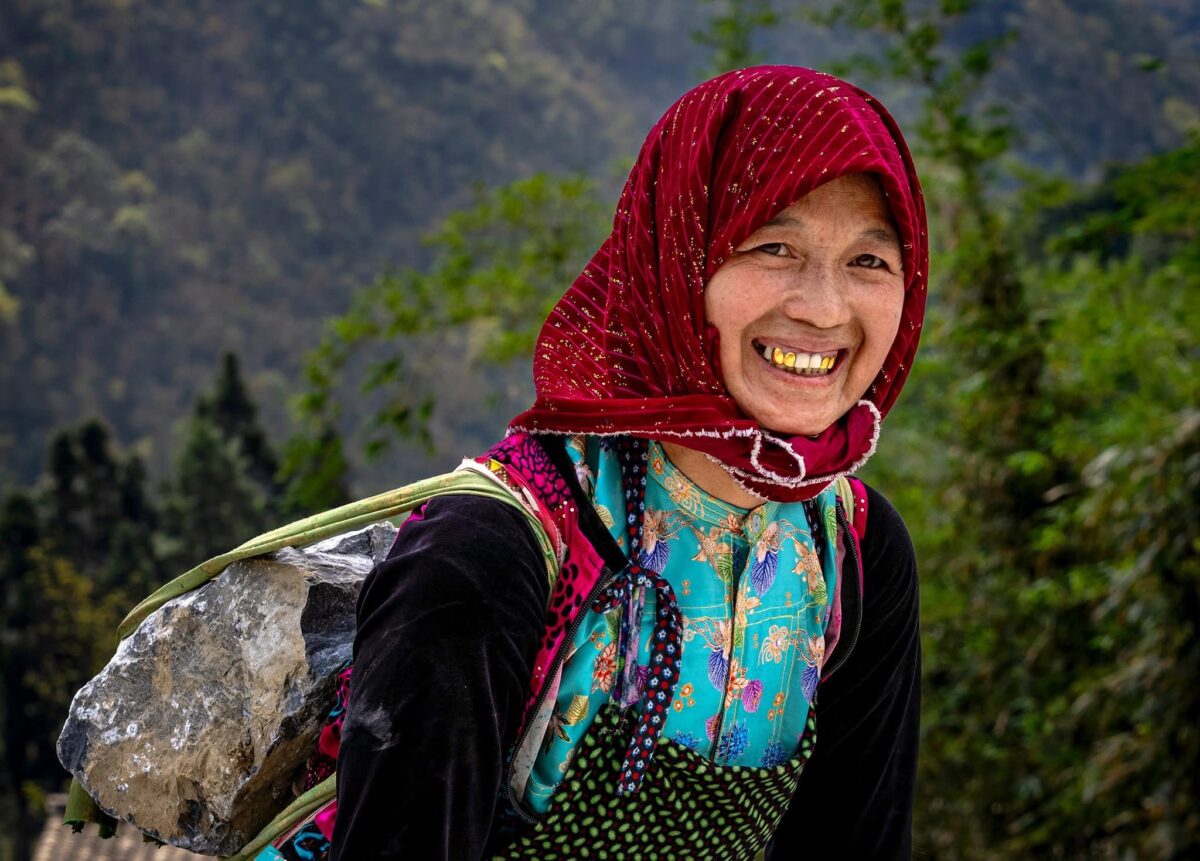
Ha Giang Guide: Complete Travel Guide to Vietnam’s Most Dramatic Mountain Region
Ha Giang is one of the most spectacular destinations in northern Vietnam, famous for enormous limestone mountains, deep valleys, winding mountain roads, ethnic villages, colorful markets and some of the country’s most dramatic landscapes. Unlike Sapa, where visitors can base themselves in one mountain town, Ha Giang is best understood as a multi-day road journey through a remote landscape. The famous Ha Giang Loop connects mountain passes, villages and viewpoints across the province, creating a travel experience where the road itself is one of the main attractions.
Ha Giang is particularly rewarding for travelers who enjoy adventure, photography, mountain scenery and cultural encounters. The landscape changes constantly as the road climbs from one valley to another, passes through karst formations and follows steep mountain ridges. The region is also home to many ethnic communities, including the Hmong, Dao, Tay, Nung and Lo Lo, making the journey as culturally interesting as it is visually impressive.

Why Visit Ha Giang?
The biggest reason to visit Ha Giang is the feeling of traveling through a landscape that is still relatively remote compared with Vietnam’s major tourist destinations. Instead of moving between individual attractions, you spend several days traveling through mountain passes, stopping at viewpoints, walking through villages and watching everyday life unfold along the roads.
The province is especially famous for the Dong Van Karst Plateau, a UNESCO Global Geopark covering a vast area of northern Ha Giang. The geology is extraordinary, with layers of limestone, deep valleys, sharp mountain ridges and exposed rock landscapes creating scenery unlike most other parts of Vietnam.
Ha Giang is also an excellent destination for photographers. Morning fog, mountain roads, terraced fields, traditional clothing, markets and dramatic valleys provide endless opportunities for photography.
Understanding the Ha Giang Loop
The term Ha Giang Loop generally refers to a circular road journey beginning in Ha Giang City and traveling through the province’s northern mountain districts before returning.
A classic route usually includes:
Ha Giang City → Yen Minh → Dong Van → Meo Vac → Du Gia → Ha Giang City
The route can be modified according to weather, road conditions, available time and the traveler’s interests.
Some travelers complete the loop in three days, but four days and three nights allows a much more comfortable experience.
The important point is that the Ha Giang Loop is not simply a sightseeing circuit. It is a mountain road adventure.
Ha Giang City
Ha Giang City is usually the starting and ending point of the loop.
The city itself is not the main attraction, but it is useful for preparing for the journey, meeting drivers or guides and spending the night before heading into the mountains.
Many travelers arrive from Hanoi in the afternoon or evening, stay overnight and begin the loop the following morning.
If you are traveling privately, staying one night in Ha Giang City before the loop can make the itinerary more relaxed.
Quan Ba
The journey north from Ha Giang City quickly becomes mountainous.
Quan Ba is one of the first major scenic areas on the loop and introduces travelers to the dramatic landscape of the Dong Van Karst Plateau.
The area is surrounded by limestone peaks, agricultural valleys and traditional villages.
It is an excellent first indication of how different Ha Giang is from the lowlands.
Quan Ba Heaven Gate
Quan Ba Heaven Gate is one of the classic viewpoints on the Ha Giang Loop.
From the elevated viewpoint, travelers can see a wide mountain valley surrounded by limestone formations.
The landscape changes dramatically depending on weather.
On a clear day, the mountains appear sharply defined.
On misty mornings, the same valley can look mysterious and almost unreal.

Quan Ba Twin Mountains
The Quan Ba Twin Mountains, sometimes known as Fairy Bosom Mountains, are among the most recognizable landscapes in the area.
Two rounded mountains rise from the valley surrounded by agricultural fields and villages.
The viewpoint is located along the main road, making it an easy stop during the loop.
The surrounding countryside is equally interesting, so allow enough time to look beyond the viewpoint itself.
Yen Minh
Yen Minh lies farther north along the loop and provides a transition between the greener valleys of Quan Ba and the increasingly rugged landscapes approaching Dong Van.
The road passes through forests, mountains and agricultural areas.
Yen Minh is often used as an overnight stop on shorter itineraries.
For travelers who want to avoid rushing, staying here can divide the journey into manageable sections.
Tham Ma Pass
Tham Ma Pass is one of the most photographed sections of the Ha Giang Loop.
The road curves dramatically across the mountain slope, creating a classic image of the Ha Giang landscape.
The viewpoint is also associated with traditional Hmong culture and the old practice of using horses to transport goods through the mountains.
Today, it is primarily a scenic stop, but the surrounding villages still reveal the importance of mountain agriculture and livestock.

Nine-Turn Pass
Another famous section of the route is the winding mountain road often referred to as Nine-Turn Pass.
The name reflects the road’s repeated bends as it climbs through the mountains.
The best way to experience it is not simply to stop at one viewpoint.
Ask your driver to slow down at safe sections so you can appreciate the scale of the valley and mountain walls around you.
Dong Van
Dong Van is one of the most important towns on the Ha Giang Loop.
The town sits within the Dong Van Karst Plateau and is surrounded by dramatic limestone mountains.
It is a convenient base for exploring the northern section of the loop.
Dong Van also has a historic quarter with traditional architecture, cafés and restaurants.
Dong Van Old Quarter
The Dong Van Old Quarter is centered around an old market area and traditional buildings.
The atmosphere changes dramatically between day and evening.
During the day, travelers can explore the historic streets and cafés.
At night, the area becomes a pleasant place for dinner and a walk.
If your itinerary includes a Sunday morning in Dong Van, the local market is particularly interesting.
Dong Van Market
Sunday is an important market day in many parts of northern Ha Giang.
People from surrounding villages travel to market towns to sell agricultural products, buy supplies, meet friends and socialize.
Markets are among the best places to observe the region’s ethnic diversity.
You may see traditional clothing associated with different communities, agricultural products, livestock and regional foods.
The experience is much more authentic when visitors observe respectfully rather than treating the market as a performance.
Dong Van Karst Plateau
The Dong Van Karst Plateau is the geological heart of northern Ha Giang.
Its limestone landscape was shaped over millions of years and contains distinctive formations, deep valleys and rugged mountains.
The area was recognized by UNESCO as a Global Geopark, making it one of Vietnam’s most significant geological landscapes.
The best way to understand the plateau is to travel through it rather than visiting a single viewpoint.
Every mountain pass reveals another geological formation.

Ma Pi Leng Pass
Ma Pi Leng Pass is the most famous mountain pass on the Ha Giang Loop.
The road climbs dramatically above the Nho Que River, with enormous limestone cliffs rising around the valley.
The scale is difficult to appreciate from photographs.
Standing on the pass, travelers can see the road cutting across the mountainside far below.
This is one of the defining moments of the Ha Giang journey.
Ma Pi Leng Skywalk
The Ma Pi Leng Skywalk provides elevated views across the mountains and Nho Que River valley.
The path follows sections of the mountain ridge, giving travelers different perspectives of the dramatic landscape.
Weather can change quickly at this elevation, so bring a light jacket even when temperatures in the lower valleys are comfortable.

Nho Que River
The Nho Que River is one of Ha Giang’s most recognizable natural features.
The river runs through a deep canyon below Ma Pi Leng Pass.
From above, the green-blue water appears as a narrow ribbon between enormous limestone walls.
A boat trip on the Nho Que River offers a completely different perspective from the mountain road.
Nho Que River Boat Trip
The river journey allows travelers to look upward at the cliffs rather than down from them.
The water can appear intensely green or blue depending on light, weather and seasonal conditions.
If you have enough time, combine the boat experience with Ma Pi Leng Pass rather than choosing one or the other.
The two experiences complement each other.
Tu San Canyon
Tu San Canyon is closely associated with the Nho Que River and Ma Pi Leng area.
The canyon is one of the deepest and most dramatic sections of the northern mountain landscape.
Its narrow walls create an enormous sense of scale.
A boat trip through the canyon is particularly memorable when the weather is clear and the surrounding cliffs are visible.
Meo Vac
Meo Vac is another important town on the loop and is located near Ma Pi Leng Pass.
The surrounding mountains are rugged and remote.
Meo Vac is particularly famous for its Sunday market, where communities from the surrounding mountains gather.
The town is also a practical overnight stop before continuing toward Du Gia.
Meo Vac Sunday Market
If your itinerary allows you to be in Meo Vac on Sunday morning, the market is worth prioritizing.
The market attracts people from remote villages who come to trade food, livestock, clothing and household goods.
It is also a social occasion.
For visitors, the most interesting aspect is often not what is being sold but the variety of ethnic cultures represented.
Photography should always be respectful, especially when photographing people.
Du Gia
Du Gia offers a different atmosphere from Dong Van and Meo Vac.
The landscape becomes greener, with rice fields, streams, forests and lower mountain valleys.
After several days surrounded by dramatic limestone cliffs, arriving in Du Gia can feel like entering a calmer landscape.
This is one reason Du Gia is an excellent final overnight stop before returning to Ha Giang City.

Du Gia Waterfall
Du Gia Waterfall is a popular natural stop near the village.
The waterfall is surrounded by forest and natural pools.
During suitable weather, visitors can swim or relax beside the water.
Conditions can change after heavy rain, so always follow local advice before entering the water.
Ha Giang Ethnic Cultures
Ha Giang is home to a remarkable diversity of ethnic communities.
Among the groups travelers may encounter are:
Hmong
Tay
Dao
Nung
Lo Lo
Giay
Each community has its own traditions, clothing, architecture, language and agricultural practices.
This cultural diversity is one of the reasons the Ha Giang Loop feels different from a standard scenic road trip.
Hmong Culture
The Hmong are one of the most visible ethnic communities in Ha Giang.
Hmong villages are found throughout the northern mountain districts.
Traditional clothing, agricultural practices, corn cultivation and mountain architecture are important parts of Hmong culture.
The best way to learn about the community is through respectful conversation with a knowledgeable guide rather than simply photographing traditional clothing.
Lo Lo Culture
The Lo Lo are one of Vietnam’s smaller ethnic groups.
They are particularly associated with areas around Dong Van.
Traditional clothing and cultural practices are distinctive.
Travelers interested in ethnic cultures should consider arranging a private cultural experience with appropriate local guides.
Ha Giang Markets
Markets are central to life in the mountain communities.
Depending on the route and day of the week, you may encounter markets in:
Dong Van
Meo Vac
Quan Ba
Yen Minh
and surrounding villages.
Market days are determined locally, so your itinerary should be designed around the market you want to experience rather than assuming every market operates every day.
Ha Giang Food
Mountain cuisine in Ha Giang is different from the food found in Hanoi.
Important regional dishes include:
Thang Co
Au Tau Porridge
Buckwheat cake
Smoked meat
Corn wine
Five-color sticky rice
Grilled meat
Mountain vegetables
The cuisine reflects the agricultural environment and traditions of northern ethnic communities.
Thang Co
Thang Co is one of the most famous dishes associated with the Hmong communities of northern Vietnam.
Traditionally prepared with horse meat and various organs, it has a distinctive flavor and is often associated with market days.
It is not a dish every visitor will enjoy, but trying it provides insight into mountain culinary traditions.
Au Tau Porridge
Au Tau porridge is another distinctive Ha Giang specialty.
The dish uses au tau root, which requires careful preparation because the raw ingredient is toxic.
The resulting porridge is rich and warming, making it particularly suitable for the cooler mountain climate.
It is most commonly associated with Ha Giang City and surrounding areas.
Buckwheat
Buckwheat is strongly associated with the highlands of Ha Giang.
The flowers create colorful fields during the flowering season, while the seeds can be processed into cakes and other foods.
Buckwheat products are especially popular around Dong Van and Meo Vac.

Buckwheat Flower Season
Buckwheat flowers are one of Ha Giang’s seasonal attractions.
The flowering period is generally associated with autumn, although exact timing varies.
Fields can appear pink, purple or white depending on the stage of flowering and local variety.
If photography is your priority, check current agricultural conditions before planning a trip around the flowers.
Best Time to Visit Ha Giang
Ha Giang can be visited throughout the year, but different seasons provide different experiences.
March–April: pleasant mountain weather and spring landscapes.
May–June: green agricultural landscapes and rice cultivation.
September–October: golden rice terraces in suitable areas.
October–November: buckwheat flowers and comfortable temperatures.
December–February: cold, misty mountain conditions.
For most travelers, September through November provides an excellent combination of scenery and comfortable weather.
Ha Giang in Spring
Spring brings fresh green landscapes and flowers.
Temperatures are generally comfortable for road trips, although mountain weather can still be unpredictable.
The landscape around Quan Ba, Dong Van and Meo Vac can be particularly attractive during clear periods.
Ha Giang in Summer
Summer creates lush green mountains and agricultural fields.
Rain can be heavier, however, and mountain roads may become slippery.
Traveling with an experienced driver is particularly important during periods of heavy rain.
The advantage is that waterfalls and streams can be especially impressive.
Ha Giang in Autumn
Autumn is one of the most popular seasons.
Rice fields in suitable areas can become golden, while buckwheat flowers appear later in the season.
Temperatures are generally more comfortable for long road journeys.
Photography conditions can be excellent.
Ha Giang in Winter
Winter can be cold, particularly in Dong Van and Meo Vac.
Fog is common.
The landscape can become extremely atmospheric, but travelers need proper warm clothing.
Do not assume northern Vietnam is always warm simply because it is a tropical country.
How Many Days for the Ha Giang Loop?
2 days: too rushed for most travelers.
3 days / 2 nights: possible for a fast-paced loop.
4 days / 3 nights: recommended for first-time visitors.
5 days / 4 nights: ideal for travelers who want more trekking, villages and photography.
If you have the time, choose four days rather than trying to complete everything in three.
Ha Giang Loop 3-Day Itinerary
Day 1: Travel from Ha Giang City through Quan Ba and Yen Minh toward Dong Van. Stop at Heaven Gate, the Twin Mountains and mountain viewpoints before continuing through the karst landscape. Arrive in Dong Van and spend the evening exploring the old quarter.
Day 2: Leave Dong Van early and travel through Tham Ma Pass toward Ma Pi Leng Pass. Stop at viewpoints and take a boat trip on the Nho Que River if conditions allow. Continue to Meo Vac and then toward Du Gia for the night.
Day 3: Enjoy the countryside around Du Gia in the morning, visit the waterfall and surrounding villages, then travel back toward Ha Giang City before continuing to Hanoi.
Ha Giang Loop 4-Day Itinerary
Day 1: Leave Ha Giang City and travel toward Quan Ba and Yen Minh. Visit Heaven Gate and the Twin Mountains, then continue through mountain roads and forests before staying overnight in Yen Minh or Dong Van.
Day 2: Travel from Dong Van through Tham Ma Pass and the dramatic mountain landscapes toward Ma Pi Leng Pass. Walk along the Skywalk and take a Nho Que River boat trip before continuing to Meo Vac.
Day 3: Explore Meo Vac and surrounding villages before traveling toward Du Gia. Visit mountain viewpoints, rice fields and the Du Gia area, then enjoy a traditional dinner at a countryside homestay.
Day 4: Spend the morning walking or cycling around Du Gia, visit the waterfall and return toward Ha Giang City. Continue by private vehicle toward Hanoi.
Ha Giang Loop 5-Day Itinerary
Day 1: Travel from Hanoi to Ha Giang City and settle into your accommodation. Enjoy a relaxed evening and prepare for the mountain journey.
Day 2: Start the loop toward Quan Ba and Yen Minh, visiting Heaven Gate, Twin Mountains and countryside villages. Stay overnight in the Yen Minh area.
Day 3: Continue toward Dong Van, stopping at Tham Ma Pass and other mountain viewpoints. Explore Dong Van Old Quarter in the evening.
Day 4: Travel across Ma Pi Leng Pass, visit the Nho Que River and Tu San Canyon, then continue to Meo Vac and Du Gia.
Day 5: Explore Du Gia and its surrounding countryside in the morning before returning to Ha Giang City and continuing toward Hanoi.
Ha Giang for Couples
Ha Giang is an excellent destination for adventurous couples.
Instead of spending the entire trip in cities, couples can share:
Mountain road journeys
Private viewpoints
Village walks
Nho Que River boat rides
Mountain homestays
Traditional dinners
Sunrise photography
A private car with driver allows couples to stop whenever they see a beautiful landscape rather than following a fixed group schedule.
Ha Giang for Families
Ha Giang can be visited with children, but the journey should be designed carefully.
The mountain roads are long and winding, so younger children may become tired.
Private transportation is strongly recommended.
Families can focus on scenic stops, short village walks, markets and comfortable accommodation rather than long motorcycle journeys.
Ha Giang for Older Travelers
Older travelers can enjoy Ha Giang without riding a motorcycle.
A private car with an experienced driver provides much greater comfort and safety.
The itinerary can include shorter walks, scenic viewpoints, comfortable hotels and fewer daily driving hours.
Avoid trying to cover the entire loop too quickly.
Ha Giang for Photographers
Ha Giang is a dream destination for landscape photography.
Important subjects include:
Ma Pi Leng Pass
Nho Que River
Tham Ma Pass
Quan Ba
Dong Van
Buckwheat flowers
Mountain villages
Traditional clothing
Markets
Rice terraces
Early morning is often the best time for atmospheric landscapes.
Cloud and fog should not automatically be considered bad weather.
They can create the most dramatic images of the trip.
Where to Stay in Ha Giang
Accommodation varies significantly depending on the location.
Ha Giang City: convenient before and after the loop.
Yen Minh: useful for dividing the journey.
Dong Van: best for history, markets and the northern mountain landscape.
Meo Vac: convenient for Ma Pi Leng and market experiences.
Du Gia: best for a quieter countryside atmosphere.
For premium travel, choose the best available property in each location rather than expecting the same hotel standards as Hanoi or major resort destinations.
Ha Giang Homestays
Homestays are an important part of the Ha Giang experience.
Traditional houses may include wooden architecture, shared dining areas and family-style meals.
A homestay provides an opportunity to experience mountain life more closely.
However, standards vary significantly.
Travelers who prefer privacy and higher comfort should choose carefully selected boutique properties or private rooms.
Getting to Ha Giang
Ha Giang is primarily reached by road from Hanoi.
The journey typically takes several hours depending on traffic and transportation.
There is no major commercial airport serving Ha Giang directly, so road travel is part of the experience.
For premium private tours, a private vehicle from Hanoi is the most comfortable solution.
Hanoi to Ha Giang by Private Car
A private transfer allows you to:
Choose your departure time
Stop for lunch
Take photographs
Rest when necessary
Travel directly to your hotel
For families and couples, this is considerably more comfortable than a fixed group transfer.
Hanoi to Ha Giang by Bus
Sleeper buses and limousine services connect Hanoi with Ha Giang.
They are practical for independent travelers and budget-conscious visitors.
However, the journey can be tiring, particularly if you arrive early in the morning and immediately begin the loop.
For a more relaxed experience, arrive in Ha Giang the previous evening.
Should You Ride the Ha Giang Loop?
This is one of the most important decisions when planning the trip.
Experienced motorcyclists may choose to ride themselves.
However, the Ha Giang Loop contains steep mountain roads, sharp curves, changing weather, heavy trucks and difficult driving conditions.
Travelers without substantial motorcycle experience should not treat the loop as an easy scooter trip.
A private car with an experienced driver is the most comfortable option for many travelers.
Another popular option is traveling with an experienced Easy Rider, where a professional rider operates the motorcycle while you travel as a passenger.
Ha Giang Road Safety
Mountain roads require caution.
Weather can change quickly.
Fog can reduce visibility.
Rain can make the road slippery.
Some roads contain sharp drops without the type of barriers travelers may expect in Western countries.
Always follow your driver’s judgment regarding speed and stopping points.
Do not insist on stopping in dangerous locations simply to take photographs.
What to Pack for Ha Giang
Bring:
Warm jacket
Rain jacket
Comfortable walking shoes
Sun protection
Hat
Sunglasses
Small backpack
Reusable water bottle
Power bank
Camera
Basic medication
Layered clothing is particularly useful because temperatures can change dramatically between valleys and mountain passes.
Responsible Travel in Ha Giang
Ha Giang’s greatest value lies in its landscapes and communities.
Travelers should respect village life by asking permission before photographing people, especially children.
Avoid entering homes without permission.
Do not leave plastic waste along mountain roads.
Do not give sweets or money directly to children simply to encourage photographs.
Buy genuine handicrafts where possible.
Choose responsible guides and drivers.
The goal should be to support mountain communities without changing ordinary life into a tourist performance.
Ha Giang vs Sapa
Sapa: easier access, more developed tourism, Fansipan, luxury hotels and established trekking infrastructure.
Ha Giang: more remote, dramatic mountain roads, ethnic markets, road-trip experiences and fewer large-scale tourism facilities.
Choose Sapa for comfort and mountain trekking.
Choose Ha Giang for adventure and spectacular road scenery.
If you have enough time, visiting both is one of the best ways to explore northern Vietnam.
Ha Giang vs Pu Luong
Pu Luong focuses on rice terraces, villages, forests and a slower countryside atmosphere.
Ha Giang is much more dramatic in terms of mountains and road journeys.
Pu Luong: relaxation, trekking, cycling, rice terraces.
Ha Giang: mountain passes, karst landscapes, ethnic markets, road trips.
They are complementary rather than competing destinations.
Is Ha Giang Worth Visiting?
Ha Giang is absolutely worth visiting for travelers who want one of Vietnam’s most dramatic mountain experiences.
The destination is not about ticking off a long list of attractions.
It is about the journey itself.
The mountain roads, limestone cliffs, valleys, ethnic villages, markets and changing weather create an experience that is difficult to reproduce elsewhere in Vietnam.
If you have only three days, you can experience the classic loop.
With four or five days, Ha Giang becomes much more enjoyable because you have time to stop, walk, photograph and meet people rather than constantly watching the clock.
Explore Ha Giang With Vietnam Women Travel
Vietnam Women Travel – Premium Private Tours Led by Women offers private Ha Giang journeys designed around comfort, flexibility and a slower approach to the mountains.
A premium journey can start in Hanoi with a private vehicle traveling directly to Ha Giang. From there, the route can be customized around Quan Ba, Yen Minh, Dong Van, Tham Ma Pass, Ma Pi Leng Pass, Nho Que River, Tu San Canyon, Meo Vac and Du Gia, with carefully selected accommodation and private guides or experienced drivers.
For couples, we can create a private mountain road journey with boutique accommodation, scenic viewpoints, village walks and a Nho Que River experience. Families can travel by comfortable private vehicle instead of riding motorcycles, while adventure travelers can add trekking, cycling and carefully selected motorcycle experiences with professional drivers.
Ha Giang can also be combined with other northern destinations:
Hanoi → Ha Giang → Sapa → Ha Long Bay
or:
Hanoi → Ha Giang → Pu Luong → Hanoi
For a complete premium Vietnam journey:
Hanoi → Ha Giang → Ha Long Bay → Hue → Hoi An → Ho Chi Minh City → Mekong Delta → Phu Quoc
Every Vietnam Women Travel – Premium Private Tours Led by Women journey is private, personalized and designed around your preferred pace, accommodation level, interests and travel style.
Vietnam Women Travel – Premium Private Tours Led by Women
Website: vietnamwomentravel.com
Hotline / WhatsApp: +84 988 402 008 | +84 982 416 518 | +84 981 090 989
Email: info@vietnamwomentravel.com
Ha Giang Guide | Ha Giang Travel Guide | Ha Giang Vietnam | Ha Giang Loop | Dong Van | Ma Pi Leng Pass | Nho Que River | Tu San Canyon | Quan Ba | Yen Minh | Meo Vac | Du Gia | Tham Ma Pass | Dong Van Karst Plateau | Ha Giang Motorbike Loop | Ha Giang Trekking | Ha Giang Markets | Ha Giang Itinerary | Ha Giang Travel Tips | Northern Vietnam Travel Guide