
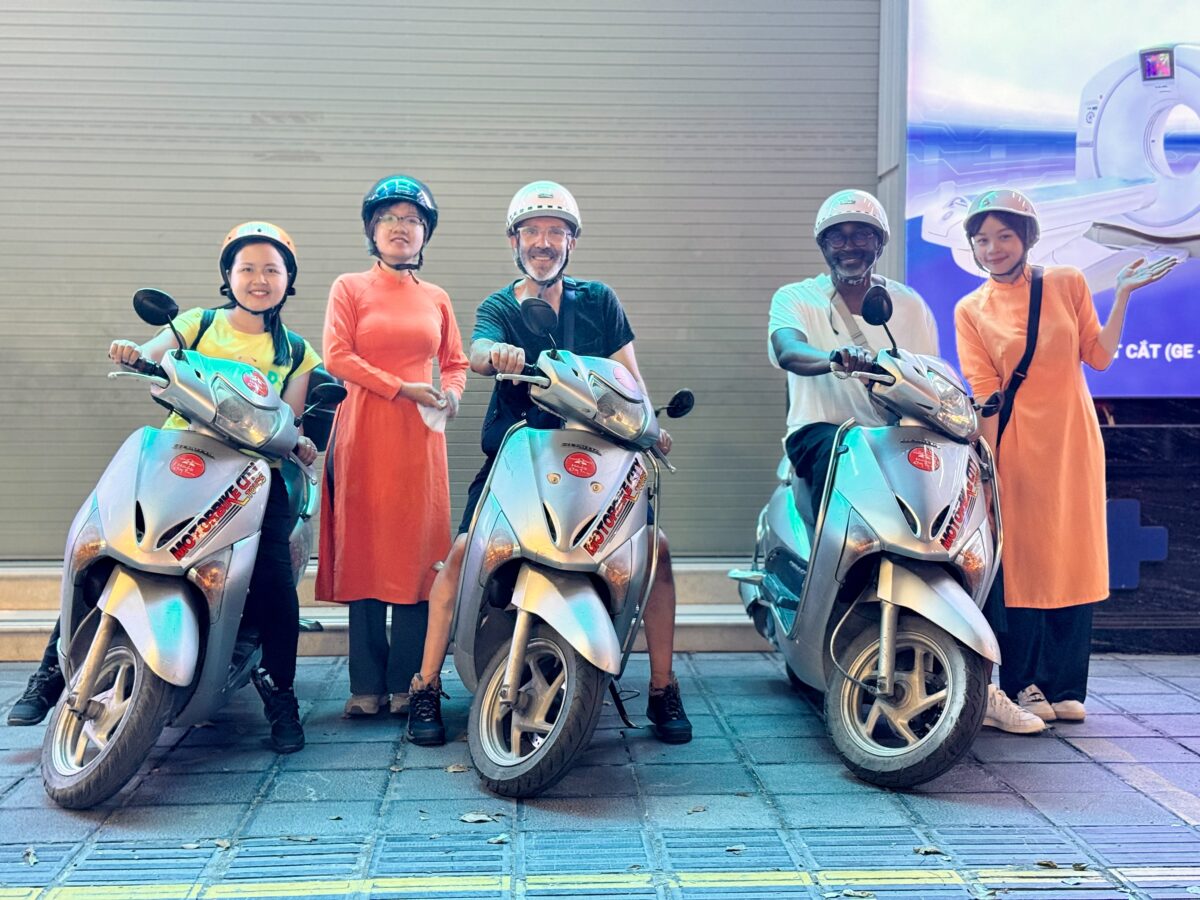
Vietnam Itineraries: Complete Guide to Planning a 7, 10, 14, 15 and 21-Day Trip
Planning a Vietnam itinerary requires more than simply listing famous destinations. Vietnam stretches a long distance from north to south, and the three main regions have very different landscapes, climates, food traditions and travel experiences. Hanoi and the northern mountains feel completely different from Hue and Hoi An in Central Vietnam, while Ho Chi Minh City, the Mekong Delta and the southern islands offer another side of the country. The best itinerary is therefore the one that matches your available time and interests while keeping transportation realistic. Vietnam Tourism itself organizes suggested itineraries around heritage, adventure, couples, beaches, families and nature, showing how flexible a Vietnam vacation can be.
How Many Days Do You Need for Vietnam?
A 7-day Vietnam itinerary is best focused on one region or a small selection of major destinations. Ten days gives first-time visitors enough time to combine Hanoi, Ha Long Bay, Central Vietnam and Ho Chi Minh City. Fourteen days is a much better length for a classic North-to-South journey because you can slow down and spend several nights in the most important destinations. Fifteen days allows you to add Sapa or the Mekong Delta, while 21 days gives you enough time to include mountains, heritage sites, cities, nature and beaches without making every day a transfer day.
The most important rule is not to confuse the number of destinations with the quality of the trip. Visiting ten places in fourteen days may look impressive on an itinerary, but after airport transfers, hotel check-ins, packing and road journeys, there may be very little time left to actually experience each destination.
The Best Direction for a Vietnam Itinerary
For most international visitors, traveling from Hanoi in the north toward Ho Chi Minh City in the south is the easiest structure. Hanoi is an excellent starting point because it introduces Vietnamese history, food, architecture and everyday city life. From Hanoi, you can continue to Ha Long Bay or the northern mountains before flying south to Central Vietnam. Hoi An, Da Nang, Hue and Phong Nha can then be arranged according to your interests before continuing to Ho Chi Minh City and the Mekong Delta.
This north-to-south structure also reduces unnecessary backtracking. Instead of flying from Hanoi to Ho Chi Minh City and then returning north to another destination, each section of the itinerary moves naturally in one direction.
7-Day Vietnam Itinerary
If you only have seven days, do not attempt to see the whole country. A good first option is Hanoi – Ha Long Bay – Hoi An – Da Nang, while another option is to concentrate entirely on Northern Vietnam with Hanoi, Ha Long Bay and Sapa.
For a classic seven-day trip, spend Days 1–2 in Hanoi, Day 3 traveling to Ha Long Bay for an overnight cruise, Day 4 returning and flying to Da Nang, Days 5–6 exploring Hoi An and the surrounding countryside, and Day 7 departing from Da Nang. This itinerary gives you Vietnamese culture, UNESCO heritage, a major natural attraction, excellent food and Central Vietnam’s beaches without spending most of the week traveling.
If mountains are more important than beaches, replace Central Vietnam with Sapa. Spend three days in Hanoi and Ha Long Bay followed by three days in Sapa, returning to Hanoi for departure.
10-Day Vietnam Itinerary
Ten days is one of the most practical lengths for a first Vietnam vacation. A strong route is Hanoi – Ha Long Bay – Hoi An – Hue – Ho Chi Minh City.
Days 1–3: Hanoi. Use the arrival day to settle into the city, then spend a full day exploring the Old Quarter, Hoan Kiem Lake, Temple of Literature and major historical attractions. Reserve time for Vietnamese food because Hanoi is one of the best places in the country to experience regional cuisine.
Day 4: Ha Long Bay. Travel from Hanoi to Ha Long Bay and board an overnight cruise. A one-night cruise provides enough time for kayaking or other activities, cave visits, sunset and an overnight stay among the limestone islands.
Days 5–6: Hoi An. Return from the cruise and fly to Da Nang, then continue to Hoi An. Spend time in the Ancient Town, explore the riverside after dark, visit the countryside and consider adding a cooking, cycling or farming experience.
Days 7–8: Hue. Travel from Hoi An to Hue by private car, allowing time to enjoy the scenic Central Vietnamese coastline and Hai Van Pass if appropriate. Visit the Imperial City, royal tombs and Thien Mu Pagoda.
Days 9–10: Ho Chi Minh City. Fly south and explore the city’s major historical attractions, markets, cafés and food scene. If your flight schedule permits, use part of Day 10 for shopping or a final Vietnamese meal before departure.
This structure is very close to the official Vietnam Tourism 10-day Vietnam Highlights route, which currently includes Hanoi, Ha Long Bay, Da Nang, Hoi An, Hue, Ho Chi Minh City and a Mekong Delta excursion.
12-Day Vietnam Itinerary
Twelve days gives families and first-time visitors a little more breathing room. A practical route is Ho Chi Minh City – Mekong Delta – Hoi An – Hanoi – Ha Long Bay.
Spend Days 1–2 in Ho Chi Minh City, Day 3 traveling into the Mekong Delta, Days 4–7 in Hoi An, Days 8–9 in Hanoi and Days 10–11 on a Ha Long Bay cruise, returning to Hanoi for departure on Day 12. This is particularly suitable for families because the number of major hotel changes can be controlled and each destination offers a different type of experience.
Vietnam Tourism’s current family itinerary also uses a 12-day structure combining Ho Chi Minh City, the Mekong Delta, Hoi An, Hanoi and Ha Long Bay.
14-Day Vietnam Itinerary
For travelers who want a classic first experience of Vietnam, 14 days is an excellent choice.
Days 1–3: Hanoi. Explore the Old Quarter, Hoan Kiem Lake, Temple of Literature, museums, historic architecture and Vietnamese food. Keep one evening free for a food tour or cultural performance rather than filling every hour with sightseeing.
Days 4–5: Ha Long Bay. Travel to the bay and spend one or two nights on a premium cruise. Two nights are particularly attractive for travelers who want a slower cruise experience with more time for kayaking, swimming, caves and quieter areas.
Days 6–8: Hoi An. Fly to Da Nang and continue to Hoi An. Explore the Ancient Town, visit the countryside, enjoy the food and allow time for the beach.
Days 9–10: Hue. Travel by private car from Hoi An to Hue. Visit the Imperial City and selected royal tombs rather than trying to see every monument in one day.
Days 11–12: Ho Chi Minh City. Explore the city’s historical center, museums, markets and food scene.
Day 13: Mekong Delta. Take a private day trip or spend the night in the Delta if you want a slower experience involving waterways, gardens and countryside.
Day 14: Ho Chi Minh City departure. Keep the final morning relatively flexible so that an unexpected transportation delay does not affect your international flight.
Vietnam Tourism’s current heritage itinerary also uses a 14-day structure connecting Hanoi, Ha Long Bay, Hoi An, Hue, Phong Nha and Ho Chi Minh City.
15-Day Vietnam Itinerary
Fifteen days allows you to add Northern Vietnam beyond Hanoi and Ha Long Bay. A deeper itinerary can be Hanoi – Sapa – Ha Long Bay – Hoi An – Hue – Ho Chi Minh City – Mekong Delta.
Days 1–3: Hanoi. Explore the city and allow enough time for food and cultural experiences.
Days 4–6: Sapa. Travel into the mountains and spend time around the Muong Hoa Valley, rice terraces and mountain communities. The number of trekking activities should be adjusted according to fitness and weather.
Days 7–8: Hanoi and Ha Long Bay. Return toward Hanoi and continue to Ha Long Bay for an overnight cruise.
Days 9–11: Hoi An. Fly to Da Nang and transfer to Hoi An for three nights.
Days 12–13: Hue. Explore the Imperial City and royal tombs.
Day 14: Ho Chi Minh City and Mekong Delta. Fly south and use the available time for the city or an organized Mekong experience.
Day 15: Departure.
The official Vietnam Tourism 15-day Vietnam In Depth itinerary currently combines Hanoi, Sapa, Ha Long Bay, Hoi An, Hue, Ho Chi Minh City, Ben Tre and Can Tho.
15-Day Vietnam Itinerary With Ha Giang
Travelers who prefer dramatic mountain scenery can replace Sapa with Ha Giang. This creates a more adventurous route of Hanoi – Ha Giang – Ha Long Bay – Hoi An – Hue – Ho Chi Minh City.
Allow at least three or four days for Ha Giang because the experience is the mountain road journey itself. Quan Ba, Yen Minh, Dong Van and the Ma Pi Leng area can be incorporated into a private road trip or guided motorbike experience. This option is better for travelers who enjoy long scenic journeys and mountain landscapes than for visitors who want a relaxed luxury vacation.
21-Day Vietnam Itinerary
Three weeks provides enough time to create a genuinely comprehensive Vietnam vacation without constantly rushing.
Days 1–3: Hanoi. Explore the city, food culture and major historical attractions.
Days 4–5: Ha Long Bay. Enjoy a premium two-night cruise.
Days 6–9: Northern Mountains. Choose either Sapa or Ha Giang depending on whether you prefer trekking and rice terraces or a mountain road adventure.
Days 10–12: Hoi An. Explore the Ancient Town, countryside and beaches.
Days 13–14: Hue. Visit the Imperial City and royal tombs.
Days 15–17: Ho Chi Minh City. Explore the city’s history, food, markets and nightlife.
Days 18–19: Mekong Delta. Stay overnight if possible instead of rushing back to Ho Chi Minh City on the same day.
Days 20–21: Phu Quoc or departure. If beach relaxation is important, fly to Phu Quoc and finish the journey beside the sea. If not, return to Ho Chi Minh City for departure.
Vietnam Itinerary for Couples
Couples usually benefit from a slower itinerary with fewer hotel changes. A particularly attractive route is Hanoi – Ha Long Bay – Hoi An – Ho Chi Minh City – Phu Quoc. Hanoi provides food and culture, Ha Long Bay offers a private cruise experience, Hoi An provides atmospheric evenings and countryside activities, Ho Chi Minh City adds restaurants and nightlife, and Phu Quoc gives you several days to relax.
For a honeymoon, three nights in Hoi An and three or four nights in Phu Quoc are more valuable than trying to add three additional cities. The itinerary should leave time for private dinners, spa treatments, photography and unplanned evenings.
Vietnam Itinerary for Families
Families should prioritize comfort and avoid moving every day. A good family route is Hanoi – Ha Long Bay – Hoi An – Ho Chi Minh City – Mekong Delta.
Hanoi provides culture and food, Ha Long Bay gives children a memorable boat experience, Hoi An offers beaches and countryside activities, Ho Chi Minh City introduces museums and urban life, and the Mekong Delta provides boats, gardens and waterways.
Private transportation is particularly useful for families because departure times, meal stops and sightseeing durations can be adjusted. Vietnam Tourism’s current family itinerary follows a similar concept, connecting Ho Chi Minh City and the Mekong Delta with Hoi An, Hanoi and Ha Long Bay over 12 days.
Vietnam Itinerary for Luxury Travelers
Luxury travel in Vietnam works best when the itinerary is intentionally slower. A strong luxury route is Hanoi 3 nights – Ha Long Bay 2 nights – Hoi An 3 nights – Hue 2 nights – Ho Chi Minh City 3 nights – Phu Quoc 3 nights.
This gives travelers time to enjoy five-star hotels rather than simply sleeping in them between transfers. Private airport transfers, premium cruises, private cars, experienced guides and carefully selected restaurants can make a much bigger difference to the experience than simply adding more destinations.
Vietnam Itinerary for Food Lovers
Food lovers should spend more time in Hanoi, Hue, Hoi An and Ho Chi Minh City. Hanoi is particularly strong for pho, bun cha, cha ca and egg coffee. Hue is famous for bun bo Hue and its distinctive Central Vietnamese dishes. Hoi An provides cao lau, mi Quang and a wide range of traditional specialties. Ho Chi Minh City is excellent for southern cuisine, street food, seafood and cafés.
A food-focused itinerary should include food walks, markets, cooking experiences and regional specialties instead of relying mainly on hotel restaurants. The same dish can taste completely different from one region to another.
Vietnam Itinerary for Beach Lovers
If beaches are your priority, do not spend two weeks moving between inland cities. A better route is Hanoi – Ha Long Bay – Hoi An – Mui Ne – Phu Quoc.
Spend several days experiencing Vietnamese culture first, then gradually move toward beach destinations. Hoi An provides both heritage and beach access, Mui Ne adds sand dunes and coastal scenery, while Phu Quoc is ideal for ending the trip with several nights at a resort.
Vietnam Itinerary for Adventure Travelers
Adventure travelers should consider Hanoi – Ha Giang – Phong Nha – Hoi An – Ho Chi Minh City. Ha Giang provides mountain roads and dramatic scenery, while Phong Nha offers caves, jungle and outdoor activities. Hoi An provides a more relaxed contrast before continuing south.
The itinerary should allow additional time for weather and road conditions. Adventure travel becomes much more enjoyable when there is enough flexibility rather than a strict schedule where one delay affects every following reservation.
Vietnam Itinerary for Older Travelers
Older travelers can enjoy Vietnam comfortably when the itinerary is planned around shorter travel days and quality accommodation. A good route is Hanoi – Ha Long Bay – Hoi An – Hue – Ho Chi Minh City – Phu Quoc.
Private cars are particularly useful for regional transfers, while flights are preferable for long distances when time and comfort are priorities. Sightseeing should be concentrated in the morning and late afternoon during hotter periods, with sufficient breaks during the middle of the day.
How to Choose Between Sapa and Ha Giang
Choose Sapa if you want mountain scenery, rice terraces, trekking and easier access from Hanoi. Choose Ha Giang if you want dramatic mountain roads, remote landscapes and a road-trip experience.
Sapa is easier to fit into a 10- or 14-day itinerary. Ha Giang deserves several dedicated days and is better suited to travelers who genuinely enjoy long mountain journeys.
How to Choose Between Phu Quoc, Con Dao and Mui Ne
Phu Quoc is a strong choice for travelers wanting a broad selection of resorts, beaches and island activities. Con Dao is better for travelers seeking a quieter island environment, nature and history. Mui Ne is particularly convenient for travelers who want beaches and sand dunes while staying relatively close to Ho Chi Minh City.
These destinations should not simply be added together because they are all coastal destinations. Choose one according to the experience you want and give it enough nights.
How to Plan Transportation Between Destinations
Long-distance flights are usually the most efficient way to move between Northern, Central and Southern Vietnam. Private cars are particularly useful within Central Vietnam, where destinations such as Hue, Da Nang and Hoi An can be connected in one journey.
For a premium itinerary, flights should generally be used for long distances while private cars handle regional transfers. This creates more sightseeing time and reduces the fatigue associated with long overland journeys.
How Many Hotels Should You Book?
A two-week itinerary should ideally have around five or six main hotel stays rather than ten or twelve. Every hotel change involves packing, transportation, check-in and settling into a new area.
Three nights in one destination usually provides a much better experience than one night in three different destinations. The goal is not to collect hotel names on a booking confirmation; the goal is to have enough time to understand each place.
Vietnam Itinerary and Weather
Weather is one of the most important factors when building a Vietnam itinerary because conditions can vary substantially between regions at the same time. Northern Vietnam, Central Vietnam and Southern Vietnam should therefore be evaluated separately before choosing travel dates.
If your dates coincide with unfavorable weather in one region, adjust the route rather than assuming the entire country has the same climate. This is particularly important for beach destinations, mountain areas and Central Vietnam.
Leave a Buffer Before Your International Flight
Do not schedule an international departure immediately after a long road journey from a remote destination. A buffer night in your departure city can protect the itinerary from delays caused by traffic, weather or transportation changes.
This is particularly important after Ha Giang, Phong Nha, the Mekong Delta and island destinations. A final night in Ho Chi Minh City or Hanoi can make the end of the trip much less stressful.
The Best Vietnam Itinerary for First-Time Visitors
For most first-time visitors, my preferred route is Hanoi – Ha Long Bay – Hoi An – Hue – Ho Chi Minh City – Mekong Delta over approximately 14 days. It provides a balanced introduction to Vietnamese culture, history, food, landscapes and modern city life without forcing travelers to spend every second day in transit.
For 10 days, remove either the Mekong Delta or Hue depending on your interests. For 15 days, add Sapa or Ha Giang. For 21 days, add a northern mountain experience and finish with several nights in Phu Quoc.
The most important principle is simple: do not try to see all of Vietnam on your first trip. Choose the experiences that matter most to you and give each destination enough time.
Vietnam Itineraries With Vietnam Women Travel
Vietnam Women Travel – Premium Private Tours Led by Women creates private Vietnam itineraries for couples, families and friends, with each journey planned around the number of days available, preferred travel pace, hotel standard, destinations and interests.
All itineraries can start in Hanoi and be designed as a North-to-South journey, combining destinations such as Hanoi, Ha Long Bay, Sapa, Ha Giang, Hue, Da Nang, Hoi An, Phong Nha, Ho Chi Minh City, the Mekong Delta, Mui Ne, Phu Quoc or Con Dao when the route makes sense.
For premium private travel, the itinerary can include private airport transfers, private cars, women-led guides, carefully selected hotels, premium cruises, domestic flights and private experiences. The focus is on creating a comfortable and well-organized journey rather than adding as many destinations as possible.
Vietnam Women Travel – Premium Private Tours Led by Women
Website: https://vietnamwomentravel.com/
Hotline / WhatsApp: +84 988 402 008 | +84 982 416 518 | +84 981 090 989
Email: info@vietnamwomentravel.com
Vietnam Itineraries | Vietnam Travel Itinerary | Vietnam 7 Day Itinerary | Vietnam 10 Day Itinerary | Vietnam 12 Day Itinerary | Vietnam 14 Day Itinerary | Vietnam 15 Day Itinerary | Vietnam 21 Day Itinerary | Vietnam Family Itinerary | Vietnam Honeymoon Itinerary | Vietnam Luxury Itinerary | Vietnam Private Tours | Vietnam Travel Guide