
Best Places to Visit in Vietnam: 25 Must-See Destinations
Vietnam is a country of remarkable contrasts. Ancient temples sit beside modern cities, quiet rice fields stretch beneath dramatic mountains, and centuries-old trading towns remain full of cafés, restaurants and everyday life. From the historic streets of Hanoi to the beaches of Phu Quoc, the country offers an impressive range of destinations for first-time visitors and returning travelers alike. Vietnam’s UNESCO-listed heritage includes places such as Hue, Hoi An, Ha Long Bay–Cat Ba Archipelago, Phong Nha-Ke Bang–Hin Nam No, My Son and the Imperial Citadel of Thang Long in Hanoi, while newer destinations are increasingly attracting travelers looking for experiences beyond the classic route.
If you are planning a Vietnam vacation in 2026, choosing where to go can be more difficult than finding things to do. The country is long from north to south, and each region has a very different personality. This guide highlights 25 of the best places to visit in Vietnam, covering historic cities, spectacular natural landscapes, beaches, mountains, cultural destinations and places that work particularly well for private and customized travel.
1. Hanoi – The Best Place to Start a Vietnam Trip
Hanoi is one of the best places to visit in Vietnam for travelers who want to experience history, food and everyday Vietnamese life in one destination. The capital combines the atmospheric Old Quarter with French colonial architecture, ancient temples, lakes, markets, museums and busy streets filled with scooters. Hoan Kiem Lake, the Temple of Literature, the Ho Chi Minh complex, the French Quarter, Long Bien Bridge and West Lake are among the highlights, but some of Hanoi’s most memorable moments happen in small alleys, neighborhood cafés and street-food stalls. The official tourism authority also highlights Hanoi as a key starting point for Vietnam itineraries.
2. Ha Long Bay – Vietnam’s Iconic Limestone Landscape
Ha Long Bay remains one of the most famous places to visit in Vietnam because of its extraordinary seascape of limestone islands and islets rising from the water. Today, UNESCO recognizes the broader Ha Long Bay–Cat Ba Archipelago as a World Heritage property, covering a vast marine landscape with 1,133 islands and islets. A cruise is the classic way to experience the area, while kayaking, cave visits, island viewpoints and sunrise or sunset experiences can make a multi-day visit even more memorable.
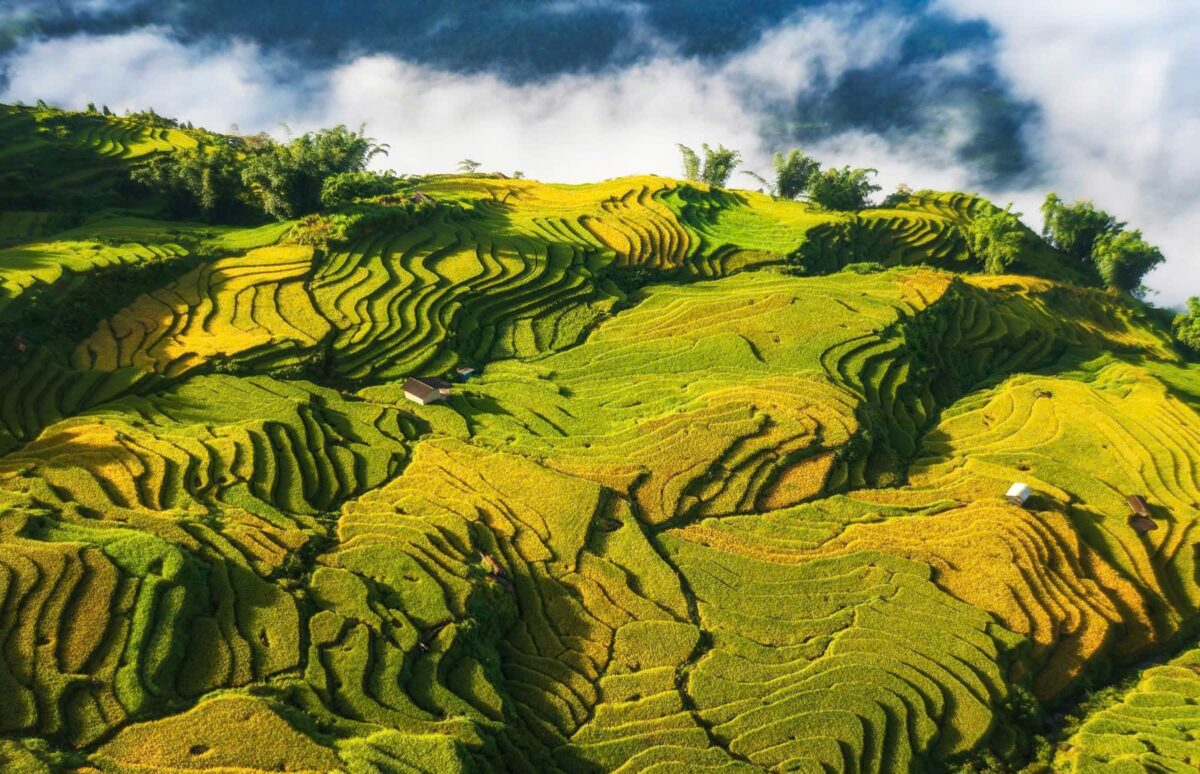
3. Sapa – Mountains, Rice Terraces and Highland Culture
Sapa is one of the best destinations in Northern Vietnam for travelers who want mountain scenery and a cooler atmosphere. The surrounding Hoang Lien Son range creates spectacular landscapes, while terraced rice fields, valleys and mountain villages provide excellent opportunities for photography and trekking. Fansipan, Vietnam’s highest mountain, is another major attraction. Sapa can be busy during peak periods, but traveling beyond the central town allows visitors to discover quieter landscapes and communities.
4. Ninh Binh – Dramatic Landscapes and Ancient Heritage
Ninh Binh is famous for towering limestone mountains, rivers, caves and green countryside. Boat journeys through karst landscapes are among the area’s signature experiences, while Hoa Lu provides an introduction to Vietnam’s early imperial history. Trang An is particularly significant because UNESCO recognizes the Trang An Landscape Complex as a mixed cultural and natural World Heritage site. Its proximity to Hanoi also makes Ninh Binh an easy addition to a Northern Vietnam itinerary.
5. Ha Giang – Vietnam’s Ultimate Mountain Road Journey
Ha Giang is ideal for adventurous travelers who want to experience some of Northern Vietnam’s most dramatic scenery. The Ha Giang region is characterized by steep mountains, winding roads, deep valleys and villages scattered across rugged landscapes. The famous Ha Giang Loop is best suited to travelers comfortable with long road journeys and changing weather conditions. A private car with an experienced driver is a good option for travelers who prefer scenery and cultural encounters without riding themselves.
6. Ha Giang’s Dong Van Karst Plateau – A Geological Wonder
The Dong Van area deserves special attention because the landscapes become even more dramatic as the route climbs toward the northern border. Limestone peaks, mountain passes and isolated valleys create some of the most spectacular views in Vietnam. Dong Van Ancient Town and nearby markets offer opportunities to experience the culture of the region’s ethnic communities. This is a destination for travelers who want scenery rather than conventional resort tourism.
7. Ban Gioc Waterfall – One of Vietnam’s Most Beautiful Waterfalls
Ban Gioc Waterfall is located in Cao Bang Province in Northern Vietnam and is one of the country’s most impressive natural attractions. Water cascades over multiple levels surrounded by green mountains and agricultural landscapes. The journey itself is part of the experience, with winding roads, valleys and rural scenery along the way. It is particularly attractive for photographers and travelers looking for a destination beyond the classic Hanoi–Ha Long Bay route.
8. Mai Chau – A Peaceful Countryside Escape
Mai Chau is a strong choice for travelers who want to slow down after spending time in Hanoi. Surrounded by mountains and rice fields, the valley offers cycling, village walks and countryside scenery. Traditional stilt houses and agricultural landscapes provide a very different experience from Vietnam’s major cities. Mai Chau works particularly well as a short private escape from Hanoi.
9. Ha Long Bay and Cat Ba – Sea, Islands and Adventure
Cat Ba adds a different dimension to a Northern Vietnam trip. The island combines beaches, limestone landscapes, national park scenery and access to the larger Ha Long Bay–Cat Ba World Heritage area. Travelers can combine cruising with kayaking, hiking and island exploration, making Cat Ba particularly suitable for visitors who want more active experiences than a traditional cruise alone.
10. Hue – Vietnam’s Imperial Capital
Hue is one of the country’s most important cultural destinations. The former imperial capital was the political, cultural and religious center of the Nguyen Dynasty from 1802 to 1945, and its monuments remain closely connected with the Perfume River and surrounding landscape. UNESCO inscribed the Complex of Hue Monuments on the World Heritage List in 1993. The Imperial City, royal tombs, Thien Mu Pagoda and traditional cuisine make Hue an essential stop for history-focused travelers.
11. Hoi An – Vietnam’s Most Atmospheric Historic Town
Hoi An is one of the best places to visit in Vietnam for travelers who enjoy architecture, food, photography and relaxed evenings. Its historic center preserves the character of a Southeast Asian trading port that flourished between the 15th and 19th centuries, with buildings reflecting both Vietnamese and foreign influences. UNESCO recognized Hoi An Ancient Town as a World Heritage site in 1999. Walking through the old streets, visiting traditional houses, eating regional dishes and watching lanterns illuminate the town after dark are among the most enjoyable things to do here.
12. Da Nang – Beaches, Mountains and Modern Vietnam
Da Nang is one of Vietnam’s most convenient coastal destinations because it combines beaches, restaurants, modern hotels and easy access to Hoi An and Hue. My Khe Beach is popular for relaxation, while the Marble Mountains provide a cultural and natural attraction close to the city. Da Nang is particularly useful as a base for travelers who want to combine a beach stay with Central Vietnam sightseeing.
13. My Son Sanctuary – Ancient Cham Heritage
My Son Sanctuary is an important archaeological and cultural destination near Hoi An. The complex contains temple structures associated with the ancient Champa civilization and provides a fascinating contrast with the architecture of Hoi An and Hue. UNESCO inscribed My Son Sanctuary as a World Heritage site in 1999. A visit is particularly worthwhile for travelers interested in Southeast Asian history, architecture and archaeology.
14. Phong Nha – The Underground World of Vietnam
Phong Nha is one of Vietnam’s most spectacular destinations for adventure travelers. The region is known for enormous caves, limestone mountains, underground rivers and jungle landscapes. The UNESCO World Heritage property now includes Phong Nha-Ke Bang National Park and Hin Nam No National Park, reflecting the area’s exceptional karst landscape and biodiversity. Depending on the experience you choose, you can explore caves by boat, trek through forests or take more demanding adventure routes.
15. Quy Nhon – A Quieter Central Coast
Quy Nhon is a good alternative for travelers who want beautiful beaches without the same level of international tourism found in some better-known coastal destinations. The city has a relaxed atmosphere, seafood restaurants and attractive coastal scenery. Nearby cultural sites connected to the Champa civilization add historical interest. Quy Nhon works well for travelers building a slower Central Vietnam itinerary.
16. Nha Trang – Beaches and Island Experiences
Nha Trang is one of Vietnam’s most established beach destinations. The city combines a long coastline with resorts, seafood restaurants and access to nearby islands. Travelers can spend their time swimming and relaxing or add boat trips, snorkeling and cultural attractions. Nha Trang is particularly suitable for visitors who want a lively beach destination with plenty of accommodation choices.
17. Da Lat – Vietnam’s Cool Highland Retreat
Da Lat feels dramatically different from Vietnam’s tropical coastal cities. Located in the Central Highlands, the city is known for its cooler climate, pine forests, flower gardens, lakes, cafés and surrounding agricultural areas. It is a popular destination for couples, photographers and travelers looking for a slower atmosphere. Coffee plantations and countryside excursions can also be added to a Da Lat itinerary.
18. Mui Ne – Sand Dunes and Coastal Scenery
Mui Ne is famous for its enormous sand dunes, beaches and strong coastal winds. The destination has traditionally attracted travelers interested in kitesurfing and other water activities, while the red and white dunes provide excellent opportunities for sunrise and sunset photography. Mui Ne can also be combined conveniently with Ho Chi Minh City for travelers looking for a short coastal escape.
19. Ho Chi Minh City – Vietnam’s Dynamic Southern Metropolis
Ho Chi Minh City offers a completely different experience from Hanoi. The city moves quickly, with modern towers, historic buildings, markets, cafés, restaurants and thousands of scooters filling the streets. The War Remnants Museum, Reunification Palace, Central Post Office, Notre-Dame Cathedral area, Ben Thanh Market and Cholon are among the major attractions. Ho Chi Minh City is also an excellent base for exploring Southern Vietnam.
20. Cu Chi Tunnels – A Fascinating Historical Experience
The Cu Chi Tunnels are one of the most distinctive historical attractions near Ho Chi Minh City. The underground network provides insight into how communities lived and operated during wartime. A visit can be combined with a Ho Chi Minh City itinerary, although travelers should allow enough time for the journey outside the city center. For visitors interested in modern Vietnamese history, this is one of the most worthwhile excursions from the south’s largest city.
21. Mekong Delta – Rivers, Markets and Rural Life
The Mekong Delta offers a slower contrast to Ho Chi Minh City’s dense urban environment. Rivers, canals, orchards, agricultural areas and small communities define the landscape. Travelers can explore by boat, visit markets, taste tropical fruit and see how agriculture remains central to daily life. A private Mekong Delta experience can be especially rewarding because the itinerary can focus on the types of activities that interest you most.
22. Phu Quoc – Vietnam’s Tropical Island Escape
Phu Quoc is one of Vietnam’s best destinations for travelers who want beaches and resort relaxation. The island offers sandy beaches, warm water, seafood restaurants, sunsets and a growing range of resorts. It works especially well at the end of a longer Vietnam itinerary when travelers want several days to slow down after visiting cities and cultural destinations.
23. Con Dao – A More Peaceful Island Experience
Con Dao is an excellent choice for travelers who prefer a quieter island environment. The archipelago is known for beaches, forested landscapes, clear water and important historical sites. Compared with some of Vietnam’s larger resort destinations, Con Dao offers a more secluded atmosphere and can appeal to travelers who prioritize nature and tranquility.
24. Buon Ma Thuot – Coffee Country in the Central Highlands
Buon Ma Thuot is an interesting destination for travelers who want to explore Vietnam’s coffee culture beyond the major cities. The surrounding Central Highlands are associated with coffee plantations, forests, waterfalls and diverse ethnic communities. Visitors can combine coffee experiences with countryside excursions and discover a part of Vietnam that is often overlooked by first-time visitors.
25. Yen Tu – A Mountain Destination for Culture and Nature
Yen Tu is one of Northern Vietnam’s important spiritual and cultural landscapes, with mountain scenery, temples and Buddhist heritage. The broader Yen Tu–Vinh Nghiem–Con Son, Kiep Bac complex was added to UNESCO’s World Heritage List in 2025, making it one of the country’s newest World Heritage properties. Its combination of forested mountains, historic religious sites and cultural significance makes Yen Tu a compelling addition to a Northern Vietnam itinerary.
Which Are the Best Places to Visit in Vietnam for First-Time Travelers?
If this is your first trip to Vietnam, you do not need to visit all 25 destinations. A classic route can begin in Hanoi, continue to Ha Long Bay, then travel to Hue and Hoi An before flying south to Ho Chi Minh City and the Mekong Delta. This general North-to-South structure is also reflected in the official tourism authority’s sample Vietnam itinerary.
For a 7-day Vietnam trip, choose one region rather than trying to cover the whole country. Hanoi and Northern Vietnam are excellent for history, food and scenery, while Hue, Hoi An and Da Nang create a strong Central Vietnam itinerary.
For a 10-day Vietnam trip, you can comfortably combine Hanoi, Ha Long Bay, Hoi An and Ho Chi Minh City with carefully planned domestic flights.
For a 14-day Vietnam trip, you have enough time to create a more balanced journey covering Northern, Central and Southern Vietnam without changing hotels every night.
For a three-week Vietnam vacation, you can travel more slowly and add destinations such as Sapa, Ha Giang, Phong Nha, Da Lat, the Mekong Delta or a beach destination.
Best Places in Vietnam for Culture and History
Travelers interested in history should prioritize Hanoi, Hue, Hoi An, My Son and Ho Chi Minh City. These destinations reveal very different chapters of Vietnamese history, from ancient cultural traditions and imperial rule to colonial architecture and twentieth-century history. Several are internationally recognized heritage sites, including the Imperial Citadel of Thang Long in Hanoi, Hue, Hoi An and My Son.
Best Places in Vietnam for Nature
For spectacular landscapes, consider Ha Long Bay, Cat Ba, Sapa, Ha Giang, Ban Gioc, Phong Nha, Da Lat and Phu Quoc. The scenery changes dramatically from northern limestone mountains to underground caves, highland forests and tropical beaches.
Best Places in Vietnam for Food
Hanoi is particularly famous for dishes such as pho, bun cha, cha ca and egg coffee, while Hue is known for its refined imperial-influenced cuisine and Hoi An offers Central Vietnamese specialties such as cao lau and mi Quang. Ho Chi Minh City and the Mekong Delta add another layer of Southern Vietnamese flavors. A food-focused itinerary can therefore become a journey through Vietnam’s regional differences rather than simply a list of famous restaurants.
Best Places in Vietnam for Couples
Hoi An, Da Lat, Ha Long Bay, Phu Quoc, Con Dao and Hanoi are particularly attractive for couples. A private itinerary can combine boutique accommodation, cultural sightseeing, food experiences, scenic drives and time to relax rather than following a rigid group schedule.
Best Places in Vietnam for Families
Hanoi, Hoi An, Da Nang, Phu Quoc and Ho Chi Minh City are among the easiest destinations for families because they offer a broad range of hotels, restaurants, attractions and transportation options. Families can also benefit from private tours because sightseeing schedules can be adjusted around children’s needs and rest periods.
Best Places in Vietnam for Adventure
If adventure is your priority, look beyond the major cities. Ha Giang offers dramatic mountain roads, Phong Nha provides cave and jungle adventures, Sapa offers trekking, Cat Ba offers kayaking and hiking, while the Central Highlands provide opportunities for outdoor exploration away from the country’s busiest tourist routes.
How to Choose the Best Places to Visit in Vietnam
The best Vietnam itinerary depends on how much time you have and what you want to experience. First-time visitors often benefit from beginning in Hanoi, especially because the capital combines major historical attractions with street food, traditional neighborhoods and easy access to Northern Vietnam. From there, you can travel south through Central Vietnam or choose a slower Northern itinerary.
Do not try to fit all 25 destinations into one holiday. Vietnam rewards travelers who spend enough time in each place to experience its food, scenery, history and everyday atmosphere.
Plan Your Vietnam Trip With Vietnam Women Travel
For travelers who want to discover Vietnam through a more personal and comfortable travel style, Vietnam Women Travel – Premium Private Tours Led by Women creates private journeys designed around each traveler’s interests, schedule and preferred pace. Instead of following a fixed large-group program, you can combine destinations such as Hanoi, Ha Long Bay, Hue, Hoi An, Da Nang, Ho Chi Minh City and other parts of Vietnam with private transportation, professional female guides and carefully selected experiences.
Vietnam Women Travel is particularly suitable for couples, families, solo travelers and small private groups who want a carefully planned Vietnam holiday rather than a standard package tour. From food and culture to history, countryside, beaches and luxury travel, the itinerary can be customized around what you actually want to see and do.
Why Choose Vietnam Women Travel?
Premium private tours led by women are designed to provide a more personal way to experience Vietnam. Professional female tour leaders and guides, private transportation, carefully selected hotels and flexible sightseeing make it easier to create a journey that matches your interests. Whether you want to explore Hanoi by Vespa, discover Vietnamese cuisine, visit historic cities, relax on the coast or combine several regions in one private itinerary, the team can help organize the journey from Hanoi onward.
Contact Vietnam Women Travel
VIETNAM WOMEN TRAVEL – PREMIUM PRIVATE TOURS LED BY WOMEN
Website: vietnamwomentravel.com
Phone / WhatsApp: +84 988 402 008
Email: info@vietnamwomentravel.com
Planning your Vietnam trip for 2026? Contact Vietnam Women Travel to create a private Vietnam itinerary led by experienced women, with comfortable transportation, carefully selected experiences and personalized service.