
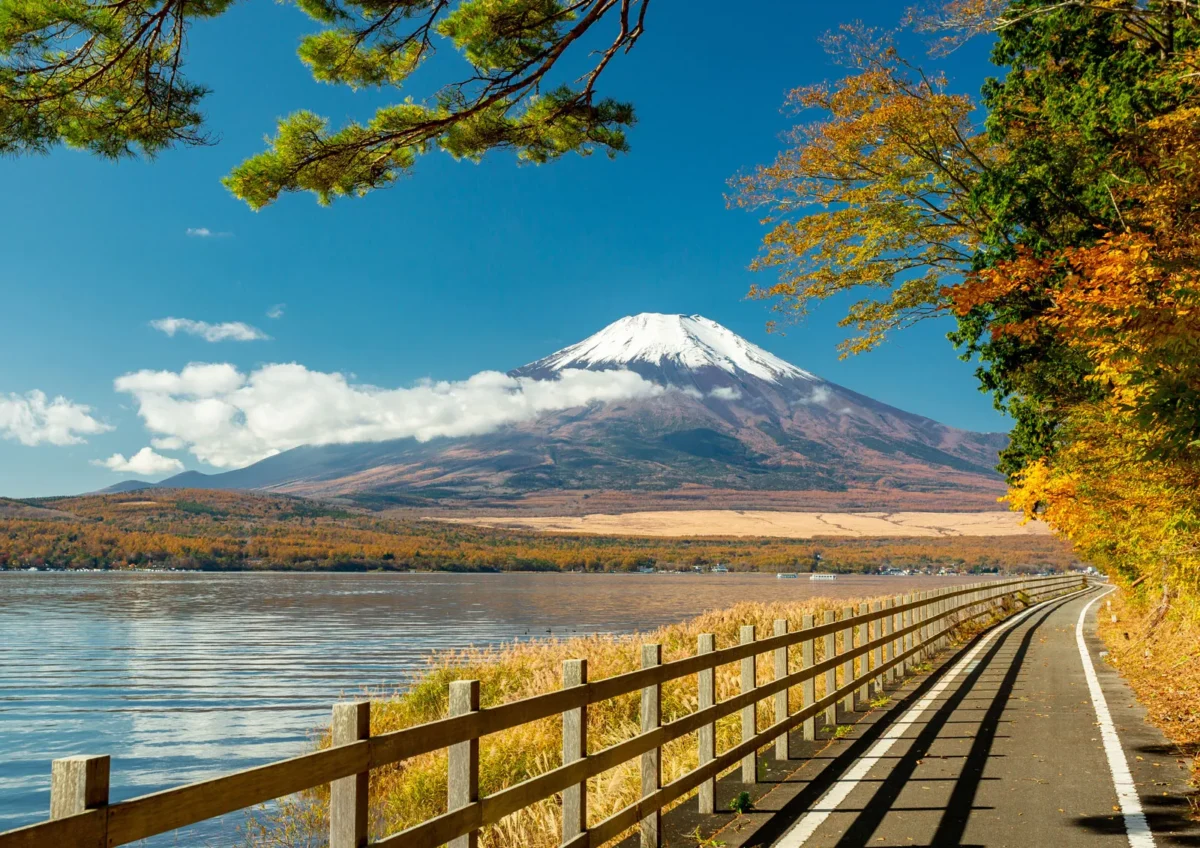
Japan Travel Tips: 60 Essential Tips for Your First Trip to Japan
Planning a trip to Japan?
Japan is one of the world’s most fascinating travel destinations.
It combines ancient temples, peaceful gardens, modern cities, world-class cuisine, traditional crafts, hot springs, beautiful countryside and some of the most efficient transportation in the world.
From the neon streets of Tokyo to the traditional lanes of Kyoto, the temples of Nara, the mountains of Hakone, the food culture of Osaka and the peaceful landscapes of Hokkaido, Japan offers an extraordinary variety of experiences.
But Japan can also feel overwhelming for first-time visitors.
How does the train system work?
Do you need a Japan Rail Pass?
When is the best time to visit?
Do you need a visa?
How much cash should you carry?
What should you wear to temples?
Should you tip?
How do you use an onsen?
This complete Japan Travel Tips guide covers the practical information you need before and during your trip.
At Vietnam Women Travel – Premium Private Tours Led by Women, we believe Japan is best experienced through a combination of culture, food, local people, wellness, traditions and carefully designed private experiences.
Japan Travel Tips at a Glance
| Travel Question | Quick Answer |
|---|---|
| Best overall seasons | Spring and autumn |
| Cherry blossom season | Generally March–April, depending on region |
| Autumn foliage | Generally October–November, depending on region |
| Summer | June–August |
| Winter | December–February |
| Currency | Japanese Yen (JPY / ¥) |
| Language | Japanese |
| Time zone | GMT+9 |
| Capital | Tokyo |
| Best first-trip route | Tokyo + Kyoto + Osaka |
| Ideal first trip | 10–14 days |
| Best for culture | Kyoto |
| Best for food | Osaka |
| Best for modern Japan | Tokyo |
| Best for traditional Japan | Kyoto / Nara |
| Best for nature | Hokkaido / Hakone / Japanese Alps |
| Best for hot springs | Hakone / Kinosaki / Beppu |
| Best for families | Tokyo / Kyoto / Osaka |
| Best for couples | Kyoto / Hakone / Kanazawa |
| Best for luxury | Tokyo / Kyoto / Hakone |
Japan stretches from northern Hokkaido to subtropical Okinawa, so weather and travel conditions can vary dramatically by region.
1. When Is the Best Time to Visit Japan?
Japan has four distinct seasons.
Spring
March–May
Famous for:
- Cherry blossoms
- Mild temperatures
- Gardens
- Traditional festivals
Summer
June–August
Known for:
- Festivals
- Fireworks
- Green mountains
- Beaches
- Hot and humid weather in many cities
Autumn
September–November
Known for:
- Red and golden leaves
- Comfortable temperatures
- Beautiful temples and gardens
Winter
December–February
Excellent for:
- Snow
- Skiing
- Onsen
- Winter food
- Hokkaido
- Snow festivals
JNTO notes that Japan’s four seasons differ considerably by region, and that winter conditions can range from heavy snow in Hokkaido and parts of the Sea of Japan coast to relatively dry conditions in Pacific-side cities such as Tokyo and Osaka.
2. Is Cherry Blossom Season the Best Time to Visit Japan?
Cherry blossom season is one of the most popular times to visit Japan.
But it is also one of the busiest.
Hotels and transportation can become expensive and difficult to book.
If cherry blossoms are your priority:
Book early.
Don’t assume every city will have peak blossoms on the same date.
The season moves from south to north and varies with weather.
3. Visit Japan During Autumn
For many travelers, autumn is one of Japan’s best seasons.
You can enjoy:
- Comfortable temperatures
- Red maple leaves
- Golden ginkgo trees
- Beautiful gardens
- Mountain scenery
- Less humidity
Kyoto, Tokyo, Nikko, Hakone and the Japanese Alps are particularly attractive in autumn.
4. Is Summer a Good Time to Visit Japan?
Yes, but prepare for heat and humidity.
Summer is excellent for:
- Festivals
- Fireworks
- Hiking
- Mountain areas
- Hokkaido
- Okinawa
In major cities, sightseeing can become tiring during the hottest part of the day.
Vietnam Women Travel Tip
Schedule outdoor sightseeing early.
Use the afternoon for:
lunch + museum + shopping + café + wellness.
5. Visit Japan in Winter
Winter is a completely different Japan.
Explore:
- Snow-covered villages
- Ski resorts
- Hot springs
- Winter cuisine
- Snow festivals
- Illuminations
Popular winter destinations include:
Hokkaido + Nagano + Niigata + Tohoku + Japanese Alps.
6. Avoid Japan’s Busiest Travel Periods
Japan becomes particularly busy during:
Golden Week
Late April to early May.
Obon
Around mid-August.
New Year
Late December to early January.
During these periods:
- Hotels can sell out
- Trains become crowded
- Prices may rise
- Popular attractions become extremely busy
JNTO specifically recommends considering these domestic holiday periods when planning travel.
7. How Many Days Do You Need in Japan?
5 Days
Choose:
Tokyo
and nearby day trips.
7 Days
Choose:
Tokyo + Kyoto
or:
Tokyo + Osaka.
10 Days
Choose:
Tokyo + Kyoto + Osaka.
14 Days
Add:
Hakone + Nara + Kanazawa or Hiroshima.
21 Days
Explore beyond the classic route into:
Japanese Alps + Hokkaido + Kyushu + Tohoku.
JNTO recommends staying in one base city for trips of around a week or less, while 10 days to two weeks is enough to experience the classic Tokyo–Kyoto–Osaka route at a more comfortable pace.
8. What Is Japan’s Golden Route?
The classic first-time Japan itinerary is:
Tokyo → Kyoto → Osaka
This route combines:
Tokyo
Modern Japan.
Kyoto
Traditional Japan.
Osaka
Food and entertainment.
You can add:
Hakone + Nara
without making the trip unnecessarily complicated.
9. Do You Need a Visa for Japan?
Visa requirements depend on nationality, passport and purpose of travel.
JNTO states that visa exemption applies to citizens of certain countries and regions for eligible short stays, while other travelers need a visa. Requirements can change, so travelers should check the latest Japanese government information before departure.
For Vietnamese ordinary passport holders, a visa is required for entry into Japan. The Embassy/Consulate of Japan in Vietnam provides the latest visa information and application procedures.
Important
Do not rely on an old blog post for visa requirements.
Check the official Japanese embassy or consulate information before applying.
10. Check Your Passport
Before traveling:
- Check passport validity
- Make sure there are blank pages
- Check visa requirements
- Keep digital copies
- Keep emergency contact information
Keep your original passport secure during the trip.
11. What Currency Is Used in Japan?
Japan uses:
Japanese Yen
JPY / ¥
Both notes and coins are widely used.
You will regularly encounter coins, including:
¥1 + ¥5 + ¥10 + ¥50 + ¥100 + ¥500.
12. Should You Carry Cash in Japan?
Yes.
Japan accepts cards widely, particularly in major cities, hotels, department stores and many restaurants.
However, cash remains useful for:
- Small restaurants
- Local shops
- Temples
- Rural areas
- Traditional inns
- Small cafés
- Vending machines
- Local markets
JNTO also advises travelers that Japan remains relatively cash-oriented, especially at smaller businesses and some remote accommodations.
13. Can You Use Credit Cards in Japan?
Yes.
Visa and Mastercard are widely accepted in major tourist areas.
However:
carry some yen.
A combination of:
credit card + IC card + cash
is the easiest strategy.
14. What Is an IC Card?
IC cards make public transportation much easier.
Depending on availability and location, travelers may use rechargeable transportation cards to pay for:
- Trains
- Subways
- Buses
- Convenience-store purchases
- Small everyday transactions
Instead of buying a separate ticket for every short journey, simply tap your card.
JNTO recommends IC cards as one of the easiest ways to move around Japanese cities.
15. Do You Need a Japan Rail Pass?
Not necessarily.
This is one of the biggest mistakes first-time visitors make.
A Japan Rail Pass can make sense if you have several long-distance train journeys within a relatively short period.
But if you are mainly visiting:
Tokyo + Kyoto + Osaka
regular tickets or regional passes may be better value.
Always calculate the cost based on your actual itinerary.
JNTO specifically recommends comparing the Rail Pass with ordinary tickets rather than assuming the pass is automatically cheaper.
16. Learn How to Use Japan’s Trains
Japan’s train network is one of the best in the world.
You can use:
- Shinkansen
- JR trains
- Private railways
- Subways
- Local trains
- Buses
Trains are known for being:
fast + clean + reliable + punctual.
JNTO describes Japan’s public transportation system as extensive and highly punctual.
17. Take the Shinkansen
The Shinkansen, or bullet train, is one of the iconic Japanese travel experiences.
It is particularly useful for:
Tokyo → Kyoto
Kyoto → Osaka
Tokyo → Kanazawa
Tokyo → Hiroshima
Don’t think of the train simply as transportation.
It is part of the Japan experience.
18. Reserve Seats for Long Journeys
For popular routes and busy periods, reserved seats can make travel much easier.
This is particularly useful when traveling:
- With children
- With luggage
- As a family
- During peak seasons
If you are traveling with a private group, plan your train reservations early.
19. Use Luggage Delivery
Japan has an excellent luggage-delivery culture.
Instead of dragging large suitcases through every train station, send luggage ahead to your next hotel.
This can be especially useful when traveling:
Tokyo → Kyoto → Osaka
or through smaller towns.
JNTO specifically highlights luggage delivery as a practical part of traveling around Japan.
20. Should You Carry a Large Suitcase on the Train?
Try not to.
Japanese train stations can involve:
- Stairs
- Escalators
- Long corridors
- Crowded platforms
Traveling with smaller luggage is much easier.
For premium private journeys, arrange luggage delivery whenever practical.
21. Learn Basic Japanese Etiquette
Japan is famous for its social etiquette.
You don’t need to speak Japanese fluently.
But understanding basic manners makes a big difference.
Remember:
- Be quiet on trains
- Queue properly
- Don’t litter
- Don’t block pathways
- Respect personal space
- Follow local rules
- Avoid loud conversations
- Don’t photograph people without permission
22. Don’t Talk Loudly on Trains
Japanese trains are generally quiet.
Avoid:
- Loud phone calls
- Shouting
- Playing music without headphones
- Disturbing other passengers
Put your phone on silent.
23. Don’t Eat Everywhere
Eating on trains depends on the type of train.
Eating an ekiben on a long-distance Shinkansen journey is normal.
Eating a messy meal on a crowded commuter train is a different matter.
Observe what locals do.
24. Queue in Japan
Japan has strong queuing culture.
You will see organized lines for:
- Trains
- Buses
- Restaurants
- Elevators
- Attractions
Don’t push ahead.
Wait your turn.
25. Don’t Tip in Japan
Tipping is generally not part of Japanese culture.
You don’t normally need to tip:
- Restaurant staff
- Taxi drivers
- Hotel staff
- Shop assistants
Excellent service is generally considered part of the job.
JNTO specifically notes that tipping is not customary in Japan.
26. Learn How to Enter a Japanese Restaurant
Some restaurants use:
- Vending-machine ordering
- QR ordering
- Counter ordering
- Ticket systems
- Cash payment
Don’t worry if the process looks confusing.
Ask:
Sumimasen
meaning:
Excuse me.
27. Say “Arigato”
One of the easiest Japanese words to learn:
Arigato gozaimasu
Thank you very much.
Other useful expressions:
Sumimasen — Excuse me / Sorry
Ohayo gozaimasu — Good morning
Konnichiwa — Hello
Konbanwa — Good evening
Onegaishimasu — Please
Daijobu desu — It’s okay
28. Do You Need to Speak Japanese?
No.
English is generally understood in major tourist areas, airports, hotels and major transportation systems.
In rural areas and small local businesses, English may be less common. JNTO recommends using translation apps when necessary.
Best Strategy
Use:
English + translation app + a few Japanese phrases.
29. Download a Translation App
A translation app can be extremely useful for:
- Restaurants
- Menus
- Train stations
- Small towns
- Food restrictions
- Shopping
Download offline language data when possible.
30. What Should You Wear in Japan?
Japan has four seasons, so packing depends heavily on your itinerary.
Spring
- Light jacket
- Layers
- Comfortable shoes
Summer
- Lightweight clothing
- Hat
- Sunscreen
- Comfortable shoes
Autumn
- Layers
- Light jacket
Winter
- Warm coat
- Gloves
- Heat-tech layers
- Waterproof footwear where needed
31. What Should You Wear to Temples and Shrines?
Japan is generally not as strict as some Asian destinations, but respectful clothing is recommended.
Avoid overly revealing clothing at:
- Temples
- Shrines
- Traditional ceremonies
Comfortable modest clothing is the safest choice.
32. Learn Temple and Shrine Etiquette
When visiting a shrine:
- Bow respectfully
- Wash your hands at the purification fountain
- Follow the local prayer procedure
- Avoid disturbing worshippers
At temples:
- Follow signs
- Remove shoes where required
- Keep quiet
- Respect religious objects
33. Experience a Traditional Japanese Tea Ceremony
A tea ceremony is more than drinking tea.
It represents:
hospitality + mindfulness + aesthetics + tradition.
A private or small-group experience allows you to understand:
- Tea preparation
- Seasonal decoration
- Japanese ceramics
- Traditional sweets
- Etiquette
34. Stay in a Ryokan
A ryokan is a traditional Japanese inn.
A stay may include:
- Tatami rooms
- Futons
- Yukata
- Kaiseki meals
- Onsen
For first-time visitors, a ryokan can provide one of the most memorable cultural experiences in Japan.
35. Experience a Japanese Onsen
Onsen are natural hot springs.
Before entering:
wash your body first.
Then enter the bath clean.
Important Rules
- No swimsuits in traditional public onsen
- Keep towels out of the water
- Keep voices low
- Respect other guests
- Follow the facility’s rules
If you have tattoos, check the property’s current policy before booking because acceptance varies by facility.
36. Try Kaiseki Cuisine
Kaiseki is a refined Japanese dining tradition built around:
- Seasonal ingredients
- Presentation
- Balance
- Technique
- Hospitality
A kaiseki dinner is particularly memorable in:
Kyoto + Hakone + Kanazawa.
37. Explore Japanese Food Markets
Markets are a wonderful way to experience local food culture.
Try:
- Fresh seafood
- Wagashi
- Pickles
- Grilled foods
- Seasonal fruit
- Japanese sweets
Popular market experiences can be found in:
Tokyo + Kyoto + Osaka + Kanazawa + Takayama.
38. Try Japanese Street Food
Depending on the region, try:
- Takoyaki
- Okonomiyaki
- Yakitori
- Taiyaki
- Dango
- Ramen
- Gyoza
- Mochi
Food is one of the best ways to understand regional Japan.
39. Explore Tokyo
Tokyo is enormous.
Don’t try to see everything in one day.
Divide the city by neighborhood.
Traditional Tokyo
Asakusa
Modern Tokyo
Shibuya
Youth Culture
Harajuku
Electronics & Anime
Akihabara
Luxury
Ginza
Food
Tsukiji / Toyosu and neighborhood restaurants
JNTO highlights Tokyo’s dining, technology, youth culture and major neighborhoods as key attractions.
40. Visit Asakusa
Asakusa provides a more traditional side of Tokyo.
Explore:
- Senso-ji
- Nakamise Street
- Traditional shops
- Local restaurants
- Sumida River
Go early if you want a calmer experience.
41. Experience Shibuya
Shibuya represents modern Tokyo.
See:
- Shibuya Crossing
- Shopping
- Cafés
- Fashion
- Restaurants
- Night views
For a first visit, combine:
Shibuya + Harajuku + Meiji Shrine.
42. Explore Kyoto
Kyoto is the heart of traditional Japan for many visitors.
Explore:
- Kiyomizu-dera
- Fushimi Inari
- Arashiyama
- Gion
- Philosopher’s Path
- Traditional gardens
- Tea houses
Vietnam Women Travel Tip
Don’t spend all your time at famous temples.
Explore:
small streets + local cafés + traditional craft shops + neighborhood restaurants.
43. Visit Fushimi Inari Early
Fushimi Inari is famous for its thousands of red torii gates.
It can become extremely crowded.
Arrive early.
The higher you climb, the quieter the trail becomes.
44. Explore Arashiyama
Arashiyama is famous for:
- Bamboo grove
- Tenryu-ji
- River scenery
- Traditional streets
- Mountains
Go early in the morning for a more peaceful experience.
45. Walk Through Gion
Gion is Kyoto’s famous traditional district.
Explore respectfully.
Avoid:
- Blocking narrow streets
- Following geisha or maiko
- Taking intrusive photographs
- Entering private areas
Remember:
people live and work here.
46. Visit Nara
Nara is an easy addition to a Kyoto itinerary.
See:
- Todai-ji
- Nara Park
- Kasuga Taisha
- Traditional neighborhoods
The deer are famous, but don’t treat them as toys.
Follow local feeding rules.
47. Explore Osaka
Osaka is known for:
food + entertainment + friendly atmosphere.
Try:
- Takoyaki
- Okonomiyaki
- Kushikatsu
- Ramen
- Sushi
Explore:
Dotonbori + Osaka Castle + Kuromon Market.
48. Experience Osaka Food Culture
Osaka is often associated with:
Kuidaore
the idea of eating until you drop.
Explore neighborhood restaurants rather than only famous tourist chains.
A private food tour is a great way to discover:
- Local specialties
- Hidden restaurants
- Regional dishes
- Japanese drinking and dining culture
49. Visit Hakone
Hakone is ideal for:
- Mount Fuji views
- Onsen
- Ryokan
- Nature
- Art museums
- Couples
It is an excellent break between:
Tokyo → Kyoto.
50. Stay Near Mount Fuji
For a memorable premium trip, stay around:
Lake Kawaguchi
or another Fuji-viewing area.
Choose accommodation where you can enjoy:
Mount Fuji + onsen + Japanese breakfast + quiet nature.
Weather can affect visibility, so don’t build your entire trip around one guaranteed Fuji view.
51. Visit Kanazawa
Kanazawa is one of Japan’s best destinations for travelers who want:
- Traditional crafts
- Gardens
- Samurai history
- Geisha districts
- Seafood
- Japanese culture
It can be a fantastic alternative to adding another major city.
52. Explore Takayama
Takayama offers:
- Traditional houses
- Mountain scenery
- Local food
- Morning markets
- Historic streets
Combine it with:
Shirakawa-go
for a beautiful Japanese Alps experience.
53. Visit Shirakawa-go
The historic village is famous for its traditional gassho-zukuri houses.
Winter creates a particularly magical atmosphere.
However, winter travel requires careful planning because snow can affect transportation.
54. Experience Hokkaido
Hokkaido is ideal for travelers who want:
- Snow
- Skiing
- Seafood
- Nature
- National parks
- Wide-open landscapes
Popular destinations include:
Sapporo + Otaru + Niseko + Furano + Biei.
55. Discover Okinawa
For a completely different Japan, visit Okinawa.
Expect:
- Tropical beaches
- Coral reefs
- Island culture
- Seafood
- War history
- Subtropical landscapes
Okinawa feels very different from Tokyo or Kyoto.
56. Travel Beyond the Golden Route
If you have already visited:
Tokyo + Kyoto + Osaka
consider:
- Kanazawa
- Takayama
- Shirakawa-go
- Hiroshima
- Hokkaido
- Kyushu
- Tohoku
- Okinawa
Longer trips allow you to experience regional Japan rather than only the major tourist cities.
57. Is Japan Safe for Female Travelers?
Japan is widely regarded as a safe destination.
JNTO describes Japan as one of the world’s safest countries, while still recommending normal traveler precautions.
Women traveling alone or with friends can enjoy Japan comfortably.
Still:
- Keep valuables secure
- Watch your belongings
- Be careful late at night
- Follow local transportation rules
- Keep emergency contacts
58. Japan for Women Travelers
Japan is particularly rewarding for women interested in:
- Food
- Fashion
- Beauty
- Wellness
- Traditional crafts
- Tea culture
- Shopping
- Art
- Design
- History
Vietnam Women Travel Perspective
Instead of simply visiting famous attractions, create opportunities to meet:
Japanese women chefs.
Women artisans.
Female entrepreneurs.
Tea masters.
Local designers.
Women running traditional family businesses.
These encounters offer a more personal view of Japan.
59. Meet Japanese Women Entrepreneurs
A private women-led travel experience can include visits to:
- Female-owned cafés
- Craft studios
- Boutique businesses
- Local food producers
- Traditional family businesses
- Women-led cultural projects
The objective isn’t simply shopping.
It is understanding:
how women are preserving tradition while creating modern businesses.
60. Travel Japan Through Local Women
A Different Way to Experience Japan
At Vietnam Women Travel – Premium Private Tours Led by Women, we believe women travelers can connect deeply with Japan by meeting the women who live and work there.
Imagine:
learning tea from a Japanese woman tea practitioner.
cooking a regional dish with a local chef.
visiting a traditional craft studio.
meeting a woman who runs a family business.
exploring Kyoto with a female local guide.
This creates a journey that goes beyond sightseeing.
61. What Should You Pack for Japan?
Documents
- Passport
- Visa if required
- Travel insurance
- Hotel confirmations
- Train reservations
Clothing
- Comfortable walking shoes
- Seasonal clothing
- Lightweight layers
Technology
- Phone
- Charger
- Power bank
- Travel adapter
Japan uses Type A plugs and a 100V electrical system; frequency varies by region.
Practical
- Small umbrella
- Reusable water bottle
- Small day bag
- Some Japanese yen
62. Bring Comfortable Shoes
You may walk much more than expected.
A typical day can include:
train station → temple → market → restaurant → shopping → train station.
Comfortable shoes are essential.
63. Don’t Overpack
Japan has excellent shopping and luggage-delivery services.
Pack lighter than you think.
If you’re traveling between multiple cities, a smaller suitcase will make your journey significantly easier.
64. Internet and SIM Cards
Japan has excellent connectivity in major cities.
Options include:
- eSIM
- Physical SIM
- Pocket Wi-Fi
- Hotel Wi-Fi
For most travelers, an eSIM is one of the simplest options.
Download maps and translation tools before leaving your hotel.
65. Use Google Maps Carefully
Google Maps is very useful in Japan.
But train stations can be enormous.
Give yourself extra time for:
- Finding platforms
- Changing lines
- Exiting stations
- Walking through underground passages
Don’t assume:
“Google says 5 minutes”
means the station itself will be easy.
66. Japan’s Convenience Stores Are Amazing
Don’t underestimate:
7-Eleven + FamilyMart + Lawson.
You can find:
- Breakfast
- Rice balls
- Sandwiches
- Desserts
- Drinks
- Coffee
- Travel essentials
They are extremely useful for travelers.
67. Try a Japanese Convenience-Store Breakfast
For a quick morning:
onigiri + egg sandwich + fruit + coffee
can be an easy and affordable breakfast.
But don’t spend your entire trip eating convenience-store food.
Japan’s regional cuisine deserves exploration.
68. Try Regional Japanese Food
Japan isn’t one cuisine.
Each region has its own specialties.
Tokyo
Sushi + ramen
Osaka
Takoyaki + okonomiyaki
Kyoto
Kaiseki + tofu + traditional sweets
Hokkaido
Seafood + dairy + ramen
Hiroshima
Hiroshima-style okonomiyaki
Fukuoka
Hakata ramen
Food is one of the best reasons to travel beyond Tokyo and Kyoto.
69. Japan for Families
Japan is an excellent family destination.
Children can enjoy:
- Theme parks
- Bullet trains
- Aquariums
- Museums
- Anime
- Character cafés
- Castles
- Nature
- Beaches
Best Family Route
Tokyo + Kyoto + Osaka
with optional:
Hakone or Nara.
70. Japan for Couples
Japan is ideal for couples.
Consider:
Kyoto
Traditional culture.
Hakone
Onsen and Mount Fuji.
Kanazawa
Art and heritage.
Hokkaido
Nature and luxury.
Okinawa
Beaches.
71. Japan for Luxury Travelers
Luxury Japan is about more than five-star hotels.
Consider:
private guide + luxury ryokan + kaiseki + private cultural experiences + premium train travel + wellness.
A premium itinerary could include:
Tokyo
Private neighborhood experiences.
Hakone
Luxury ryokan and onsen.
Kyoto
Private temple and cultural experiences.
Osaka
Private food experience.
72. Japan for Food Lovers
Japan should be on every serious food lover’s list.
Experience:
- Sushi
- Ramen
- Kaiseki
- Tempura
- Yakitori
- Wagyu
- Okonomiyaki
- Takoyaki
- Soba
- Udon
- Matcha
- Wagashi
Don’t only eat famous dishes.
Ask:
What does this region specialize in?
73. Japan for Wellness Travelers
Japan offers a unique wellness culture.
Experience:
- Onsen
- Ryokan
- Forest bathing
- Tea ceremony
- Meditation
- Traditional massage
- Healthy Japanese cuisine
- Mountain retreats
Best Destinations
Hakone + Kyoto + Nagano + Kinosaki + Beppu.
74. Responsible Travel in Japan
Travel responsibly by:
- Respecting quiet neighborhoods
- Avoiding litter
- Following photography rules
- Supporting local businesses
- Buying directly from artisans
- Respecting temples and shrines
- Avoiding overcrowded private spaces
- Following wildlife guidelines
Japan’s tourism authorities have increasingly emphasized responsible travel and visitor etiquette.
75. Don’t Treat Geisha as Attractions
If you visit Kyoto’s traditional districts:
Remember that people live and work there.
Do not:
- Follow geisha or maiko
- Touch them
- Block their path
- Take intrusive photos
- Enter private areas
Observe respectfully.
76. Don’t Litter
Japan is famously clean.
But you may notice relatively few public garbage bins.
Carry a small bag for your rubbish.
Dispose of it properly when you find an appropriate bin.
77. Follow Photography Rules
Always respect:
No Photography
signs.
Ask before photographing:
- People
- Private businesses
- Religious ceremonies
- Traditional performers
A beautiful photograph is never more important than someone’s privacy.
78. What Makes Japan Special?
Japan combines things that rarely exist together:
ancient + modern
traditional + innovative
busy cities + peaceful countryside
luxury + simplicity
technology + craftsmanship
precision + hospitality
That contrast is what makes Japan so fascinating.
79. Best Japan Itinerary for 7 Days
Days 1–3
Tokyo
Asakusa + Shibuya + Meiji Shrine + food.
Days 4–5
Kyoto
Fushimi Inari + Gion + traditional culture.
Days 6–7
Osaka
Food + Dotonbori + Osaka Castle.
For a short trip, avoid adding too many cities.
80. Best Japan Itinerary for 10 Days
Days 1–3
Tokyo
Day 4
Hakone
Days 5–7
Kyoto
Day 8
Nara
Days 9–10
Osaka
This gives you:
modern Japan + nature + traditional Japan + food.
81. Best Japan Itinerary for 14 Days
Days 1–3
Tokyo
Days 4–5
Hakone
Days 6–8
Kyoto
Day 9
Nara
Days 10–11
Kanazawa
Days 12–14
Osaka + Hiroshima
This route gives travelers a much deeper understanding of Japan.
82. Japan + Vietnam
Japan and Vietnam make an excellent multi-country Asia itinerary.
Japan
Tokyo → Kyoto → Osaka
Vietnam
Hanoi → Ninh Binh → Hoi An → Ho Chi Minh City
The combination offers:
Japanese precision + Vietnamese warmth
Japanese cuisine + Vietnamese street food
temples + modern cities
mountains + beaches
traditional culture + contemporary life
83. Japan + Thailand
For travelers who want a broader Asian journey:
Japan
Tokyo → Kyoto → Osaka
Thailand
Bangkok → Chiang Mai → Phuket/Krabi
This combination gives you:
Japanese culture + Thai culture
sushi + Thai cuisine
urban Japan + tropical Southeast Asia
snow + beaches
84. Japan + Vietnam + Thailand
For a premium three-country journey:
Japan
Tokyo + Kyoto + Osaka
Vietnam
Hanoi + Ninh Binh + Hoi An
Thailand
Bangkok + Chiang Mai + Phuket
A 21–28 day private journey can combine:
culture + food + nature + wellness + local women + luxury.
85. Japan Travel FAQ
Is Japan worth visiting?
Absolutely.
Japan offers an extraordinary combination of culture, food, nature, technology, history and hospitality.
What is the best month to visit Japan?
Spring and autumn are popular because of pleasant weather and seasonal scenery, but every season offers different experiences.
Is Japan expensive?
Japan offers everything from budget accommodation and casual restaurants to luxury ryokan and Michelin-level dining.
Is Japan safe for women?
Japan is widely regarded as a very safe destination, although normal travel precautions still apply.
Do I need a visa for Japan?
It depends on your nationality. Vietnamese ordinary passport holders generally need a visa for Japan. Check the latest Japanese embassy information before traveling.
Should I buy a Japan Rail Pass?
Not automatically. Compare the pass price with your actual train itinerary.
Do I need cash in Japan?
Yes. Cards are widely accepted, but cash remains useful, especially in smaller businesses and rural areas.
Should I tip in Japan?
Generally no. Tipping is not customary.
Do people speak English in Japan?
English is generally available in major tourist areas, airports, hotels and transportation systems, but less so in rural areas.
What is the best first trip to Japan?
For 10–14 days:
Tokyo + Hakone + Kyoto + Nara + Osaka.
How many days should I spend in Japan?
For a first trip, 10–14 days gives you enough time to experience the classic route without rushing.
Japan Is Not Just a Destination
Japan is a country of details.
It is:
a quiet temple before sunrise.
the sound of a Shinkansen arriving exactly on time.
a bowl of ramen on a cold evening.
a tea ceremony in Kyoto.
a handmade ceramic cup.
a ryokan overlooking the mountains.
an onsen after a long day of walking.
a conversation with a Japanese woman preserving a family tradition.
a small restaurant hidden behind a narrow street.
These are the moments that make Japan unforgettable.
At Vietnam Women Travel – Premium Private Tours Led by Women, we create private journeys around:
local women + authentic food + culture + wellness + craftsmanship + nature.
We don’t want travelers to simply:
see Japan.
We want them to:
Meet Japan.
Taste Japan.
Understand Japan.
Experience Japan.
Vietnam Women Travel
Premium Private Tours Led by Women
Private journeys. Local women. Authentic Asia.