Cambodia Travel Tips: Everything You Need to Know Before Visiting Cambodia
Planning your first trip to Cambodia?
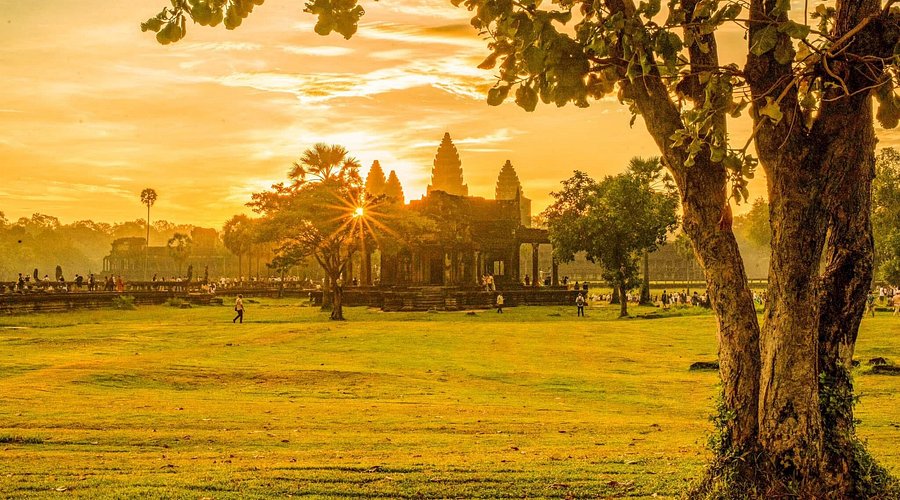
From the temples of Angkor and the lively streets of Phnom Penh to tropical islands, floating villages, Khmer cuisine and peaceful countryside, Cambodia offers much more than a visit to Angkor Wat.
However, knowing a few practical Cambodia travel tips before you arrive can make your trip much easier.
You may be wondering:
- When is the best time to visit Cambodia?
- Do I need a visa?
- What currency should I use?
- Is Cambodia safe?
- What should I wear to temples?
- How much should I tip?
- How should I get around?
- What food should I try?
- How many days do I need?
- Can I combine Cambodia with Vietnam?
This complete guide covers everything you need to know before traveling to Cambodia.
At Vietnam Women Travel – Premium Private Tours Led by Women, we believe that good travel preparation should not make your trip complicated.
It should give you the confidence to travel comfortably, respectfully and independently — while leaving room for authentic local experiences.
Cambodia Travel Tips at a Glance
| Travel Question | Quick Answer |
|---|---|
| Best time to visit | November–February for cooler, drier weather |
| Hot season | March–May |
| Rainy season | June–October |
| Currency | Cambodian Riel (KHR); USD is widely used |
| Time zone | GMT+7 |
| Main language | Khmer |
| Capital | Phnom Penh |
| Most famous attraction | Angkor Wat |
| Best cultural destination | Siem Reap |
| Best island destinations | Koh Rong / Koh Rong Sanloem |
| Main airport gateways | Phnom Penh / Siem Reap |
| Visa | Depends on nationality |
| Drinking water | Bottled/purified water recommended |
| Main transport | Tuk-tuk, car, taxi, domestic flights |
| Electricity | 230V, 50Hz |
| Ideal first trip | 5–8 days |
| Vietnam + Cambodia | Excellent combination |
Cambodia operates on GMT+7, the same time zone as Vietnam, Thailand and Laos.
1. When Is the Best Time to Visit Cambodia?
Cambodia has a tropical monsoon climate.
The country’s climate is commonly divided into:
November – February
Cooler and generally drier
March – May
Hot and dry
June – October
Rainy and humid
Official Cambodian tourism information describes the cool dry season as November–February, the hot dry season as March–May and the rainy season as June–October.
November to February
This is generally the most comfortable period for sightseeing.
It is especially good for:
- Angkor Wat
- Phnom Penh
- Battambang
- Countryside
- Cycling
- Temple exploration
- Family travel
The main disadvantage is that popular attractions can be busy.
March to May
This is the hottest part of the year.
Temperatures can become uncomfortable during long temple visits.
However, it can still be a good time to travel if you:
- Start sightseeing early
- Take breaks during the afternoon
- Stay hydrated
- Choose hotels with pools
- Include beach destinations
June to October
The rainy season brings:
- Heavy showers
- High humidity
- Green landscapes
- Fewer tourists
- Dramatic skies
Rain does not necessarily mean rain all day.
For travelers who don’t mind occasional showers, this can be a beautiful time to experience Cambodia.
Vietnam Women Travel Tip
If you want fewer crowds, don’t automatically reject the rainy season.
A private itinerary allows you to adjust sightseeing around the weather.
2. How Many Days Do You Need in Cambodia?
For a first visit:
3 Days
Good for:
Siem Reap + Angkor
5 Days
Ideal for:
Siem Reap + Phnom Penh
7 Days
Excellent for:
Siem Reap + Phnom Penh + countryside
10 Days
Allows you to add:
Battambang + coast/islands
12–14 Days
Ideal for a slower journey covering:
Siem Reap + Phnom Penh + Battambang + Kampot + islands
3. What Is Cambodia Famous For?
Cambodia is best known for:
- Angkor Wat
- Khmer civilization
- Buddhist temples
- Ancient ruins
- Khmer cuisine
- Traditional dance
- Floating villages
- Mekong River landscapes
- Tropical islands
- Cambodian hospitality
But Cambodia is much more than Angkor Wat.
The country also offers:
beaches + food + countryside + wildlife + wellness + culture + local communities.
4. Do You Need a Visa for Cambodia?
Visa requirements depend on your nationality.
Cambodia offers visa exemptions for citizens of certain countries, while many other travelers need a tourist visa or another form of entry authorization. Official Cambodian tourism information currently lists a tourist visa as a 30-day single-entry visa for eligible travelers.
Important
Do not rely on an old blog post for visa information.
Entry regulations can change.
Always check the official Cambodian immigration/arrival information before your departure.
For air arrivals, Cambodia’s official e-Arrival system is available through the Cambodian government portal.
If You Are Traveling From Vietnam
Vietnamese citizens are among the nationalities listed by Cambodian tourism authorities as eligible for visa-free entry for short stays.
5. Cambodia e-Arrival Card
Travelers arriving by air should check the current Cambodia e-Arrival requirements before departure.
The Cambodian tourism authority states that the e-Arrival system replaced several paper arrival procedures for air travelers and should be completed before arrival.
Vietnam Women Travel Tip
Before flying, prepare:
- Passport
- Hotel information
- Flight information
- Travel itinerary
- Visa/e-visa if required
- e-Arrival information if applicable
Save important documents both:
on your phone
and
offline.
6. What Currency Is Used in Cambodia?
The official currency is:
Cambodian Riel (KHR)
However, US dollars are widely used throughout Cambodia, particularly in tourist areas.
Small transactions are commonly made in riel. Official tourism information confirms that both riel and US dollars are widely used.
Travel Tip
Carry both:
USD
and
KHR
for convenience.
Small notes are especially useful for:
- Tuk-tuks
- Snacks
- Markets
- Tips
- Small restaurants
7. Should You Use Cash or Credit Cards?
Credit cards are increasingly accepted at:
- Hotels
- Restaurants
- Shops
- Tour companies
- Larger businesses
But you should not rely entirely on cards.
Keep some cash for:
- Markets
- Tuk-tuks
- Street food
- Rural areas
- Small shops
Official Cambodian tourism information notes that Visa, Mastercard and JCB are among the widely accepted cards.
8. What Language Is Spoken in Cambodia?
The official language is:
Khmer
English is widely understood in:
- Hotels
- Tourist attractions
- Restaurants
- Tour companies
- Major cities
Learning a few Khmer words can make interactions warmer.
Useful Khmer Phrases
Hello
Suosdei
Thank you
Aw kun
Yes
Baat — commonly used by men
Chaa — commonly used by women
No
Te
Goodbye
Lea hai
Even a few words can show respect.
9. What Should You Wear in Cambodia?
Cambodia is hot and humid for much of the year.
For normal sightseeing, choose:
- Lightweight clothing
- Breathable fabrics
- Comfortable shoes
- Sun protection
- Hat
- Sunglasses
But temples require more respectful clothing.
When visiting important religious sites, especially major temple complexes, avoid very short clothing and revealing tops.
Cambodian tourism guidance recommends modest clothing for religious sites.
Best packing combination
Bring:
shorts + T-shirts
for normal sightseeing,
and
long trousers/skirts + shoulders covered
for temples and more formal religious sites.
10. What Should Women Wear in Cambodia?
Women can dress comfortably in Cambodia.
For everyday sightseeing:
- Loose trousers
- Long skirts
- T-shirts
- Light dresses
- Comfortable sandals
For temples:
cover shoulders and knees.
A lightweight scarf is useful because it can quickly provide additional coverage.
11. How Should You Behave at Cambodian Temples?
Cambodia’s temples are sacred places, not simply tourist attractions.
Remember to:
- Dress respectfully
- Speak quietly
- Follow signs
- Avoid climbing restricted structures
- Ask before photographing people
- Respect monks and worshippers
When entering some religious buildings, shoes may need to be removed.
Never treat a temple as a photo studio.
Take photographs respectfully.
12. Can You Take Photos of Monks?
Ask first.
This is particularly important when photographing:
- Monks
- Religious ceremonies
- Local families
- Children
- Worshippers
A simple smile and gesture asking permission is usually better than taking a photograph without warning.
13. Is Cambodia Safe?
Cambodia is a popular destination for international travelers.
However, normal travel precautions are still important.
Pay particular attention to:
- Phones
- Wallets
- Passports
- Bags
- Cameras
- Belongings in crowded areas
Keep valuables secure when walking through busy markets and tourist areas.
Official Cambodian tourism guidance also recommends staying alert with personal belongings.
14. How Can You Keep Your Belongings Safe?
Simple habits make a difference.
Do:
- Use a crossbody bag
- Keep your phone secure
- Use hotel safes
- Carry copies of important documents
- Keep your passport secure
- Avoid displaying large amounts of cash
Avoid:
- Leaving phones on café tables
- Carrying wallets in back pockets
- Leaving bags unattended
- Showing large amounts of cash
15. How Do You Get Around Cambodia?
The most common transportation options include:
Tuk-tuk
Excellent for:
- Short city journeys
- Siem Reap
- Phnom Penh
- Evening outings
Private Car
Best for:
- Families
- Couples
- Long-distance travel
- Luxury travelers
- Multi-city itineraries
Domestic Flights
Useful for longer distances.
Bus / Minivan
Budget-friendly for travelers moving between major destinations.
Private Tour
Best for travelers who want:
comfort + flexibility + local knowledge.
16. Should You Take a Tuk-Tuk?
Yes.
A tuk-tuk ride is part of the Cambodian travel experience.
Before getting in:
agree on the price or confirm the booking.
For longer journeys, consider booking through a reliable hotel or tour operator.
17. Should You Rent a Motorbike?
You can, but think carefully.
Cambodian traffic can be chaotic in larger cities.
If you are not experienced riding in Southeast Asia, a private car or tuk-tuk with a professional driver may be more comfortable.
For countryside exploration, motorbikes can be enjoyable when used responsibly.
Always wear a proper helmet.
18. What Should You Eat in Cambodia?
Cambodian cuisine is one of Southeast Asia’s most underrated food cultures.
Must-try dishes include:
Fish Amok
Steamed fish with coconut milk and Cambodian spices.
Nom Banh Chok
Rice noodles with a fragrant fish-based curry.
Khmer Red Curry
A rich curry that is generally less fiery than many Thai curries.
Kdam Chaa
Fried crab with Kampot pepper.
Bai Sach Chrouk
Grilled pork served with rice.
Lok Lak
Stir-fried beef with a tangy dipping sauce.
Beef with Red Ants
An adventurous Khmer specialty.
Cambodian tourism sources also highlight fish amok, nom banh chok, Khmer red curry and Kampot-pepper crab among local specialties.
19. Is Cambodian Food Spicy?
Cambodian cuisine uses spices and aromatics, but many Cambodian dishes are not extremely spicy.
Common flavors include:
- Lemongrass
- Galangal
- Turmeric
- Coconut
- Garlic
- Kampot pepper
- Fermented ingredients
If you cannot eat spicy food, tell your guide or restaurant.
20. Is Street Food Safe in Cambodia?
Street food can be one of the best ways to experience Cambodia.
Look for busy stalls with:
- High turnover
- Fresh ingredients
- Food cooked in front of you
- Clean preparation areas
If you have a sensitive stomach, start with:
hot, freshly cooked food
rather than raw items.
Drink bottled or purified water. Cambodian tourism guidance recommends avoiding untreated tap water.
21. Can You Drink Tap Water in Cambodia?
For most travelers, bottled or properly purified water is the safer choice.
Keep a reusable bottle and refill it from a reliable filtered-water source when available.
Cambodian tourism guidance specifically advises travelers to use bottled/purified water rather than untreated tap water.
22. Should You Tip in Cambodia?
Tipping is not always mandatory, but it is appreciated when you receive good service.
You may tip:
- Tour guides
- Drivers
- Hotel staff
- Restaurant staff
- Spa therapists
The amount depends on:
service + duration + group size + your satisfaction.
For private tours, tipping your guide and driver is a nice way to recognize excellent service.
23. Should You Bargain in Cambodia?
Bargaining is common in many markets.
However:
bargain respectfully.
Don’t spend ten minutes arguing over a tiny amount of money.
Remember that the seller may be earning a living from that transaction.
Cambodian tourism guidance also recommends respectful bargaining rather than aggressive negotiation.
24. What Should You Not Do in Cambodia?
Avoid:
- Disrespecting temples
- Touching religious objects without permission
- Photographing people without permission
- Shouting at local staff
- Bargaining aggressively
- Drinking untreated water
- Displaying large amounts of cash
- Touching someone’s head unnecessarily
- Pointing rudely at people
- Entering restricted areas
Small acts of respect can make a major difference.
25. Be Careful With Unlabeled Alcohol
Avoid homemade or unlabeled alcoholic drinks when you cannot verify their source.
There have been serious risks associated with contaminated alcohol in various parts of Southeast Asia.
Cambodian tourism guidance advises travelers to avoid homemade or unlabeled alcohol because of the potential risk of dangerous substances such as methanol.
26. What Should You Pack for Cambodia?
Essential Packing List
Clothing
- T-shirts
- Lightweight trousers
- Shorts
- Long skirt
- Light dress
- Underwear
- Sleepwear
Temple visits
- Long trousers
- Long skirt
- Shoulder-covering top
- Scarf
Health & comfort
- Sunscreen
- Insect repellent
- Hat
- Sunglasses
- Reusable water bottle
- Personal medication
Technology
- Phone
- Charger
- Power bank
- Travel adapter
Travel documents
- Passport
- Visa/e-visa if required
- Travel insurance
- Hotel confirmations
- Flight information
27. What Shoes Should You Bring?
Bring comfortable walking shoes.
This is particularly important for:
Angkor Wat
because temple exploration can involve significant walking, uneven surfaces and stairs.
Also bring:
sandals
for hotels, beaches and casual evenings.
28. Cambodia With Children
Cambodia can be a rewarding family destination.
Children may enjoy:
- Angkor temples
- Tuk-tuk rides
- Cooking classes
- Cambodian markets
- Wildlife experiences
- Beaches
- Boat trips
- Countryside
- Local food
But don’t plan five hours of temple sightseeing under the midday sun.
A better family itinerary alternates:
culture → food → pool → rest → activity.
29. Cambodia for Couples
Cambodia is excellent for couples.
Consider:
Siem Reap
Private temple exploration + sunset + dinner
Phnom Penh
Royal Palace + riverside + fine dining
Kampot
Countryside + pepper farms + river
Koh Rong
Beach + island relaxation
Private Experience
Local cooking class + market visit + sunset cruise
30. Cambodia for Solo Travelers
Cambodia is popular with independent travelers.
Solo travelers should consider:
- Joining small activities
- Using reputable transport
- Keeping valuables secure
- Booking accommodation with good reviews
- Avoiding isolated areas late at night
A private guide can also be useful when you want deeper cultural experiences without joining a large group.
31. Cambodia for Luxury Travelers
Cambodia has a growing luxury travel scene.
Luxury travelers can enjoy:
- Boutique hotels
- Private villas
- Private temple tours
- Fine dining
- Private cars
- Spa experiences
- Private boat trips
- Luxury resorts
- Personalized guides
Instead of trying to see everything, design a slower itinerary.
32. Cambodia for Female Travelers
Cambodia can be a rewarding destination for women traveling independently, with friends, as couples or with family.
A few practical habits help:
- Keep your phone secure
- Use reputable transportation
- Stay aware of your surroundings
- Choose well-reviewed accommodation
- Keep emergency contacts available
- Dress appropriately at religious sites
For travelers who prefer additional local support, a private female-led experience can make cultural exploration feel more comfortable and personal.
33. Meet Cambodian Women Through Travel
A More Meaningful Way to Experience Cambodia
At Vietnam Women Travel, our philosophy extends beyond sightseeing.
We believe travel becomes more meaningful when you meet the people who actually live in the destination.
A private experience can introduce travelers to:
- Female chefs
- Local artisans
- Market vendors
- Women entrepreneurs
- Home cooks
- Craftswomen
- Community leaders
- Local families
Instead of simply visiting Cambodia, you can experience it through its people.
This is particularly meaningful when traveling with:
your mother, daughter, sister, partner or friends.
34. Responsible Travel in Cambodia
Travel responsibly.
Support local businesses
Choose:
- Local restaurants
- Family-run businesses
- Local guides
- Local artisans
- Community-based experiences
Respect culture
Ask before taking photographs.
Protect temples
Don’t climb restricted structures or touch fragile carvings.
Protect nature
Don’t leave plastic waste.
Support communities
Choose experiences that provide genuine benefits to local people.
35. How to Respect Cambodian Culture
Cambodian culture is deeply influenced by:
- Buddhism
- Khmer traditions
- Family
- Community
- Agriculture
- Ancient history
A few simple habits help:
Smile.
Be patient.
Dress respectfully.
Ask before photographing.
Listen to your guide.
Treat temples as sacred places.
Avoid loud behavior around religious sites.
36. Best Places to Visit in Cambodia
Siem Reap
Best for:
Angkor Wat + temples + culture + food
Phnom Penh
Best for:
history + museums + Royal Palace + urban culture
Battambang
Best for:
countryside + architecture + local life
Kampot
Best for:
river + pepper farms + relaxed atmosphere
Kep
Best for:
seafood + coast + relaxation
Koh Rong
Best for:
beaches + islands + tropical escapes
Koh Rong Sanloem
Best for:
quiet island relaxation
37. How to Experience Angkor Wat Better
Don’t simply arrive at Angkor Wat at midday.
A better approach is to create a private temple itinerary.
For example:
Early Morning
Angkor Wat
Morning
Bayon
Late Morning
Ta Prohm
Lunch
Local restaurant
Afternoon
Rest at hotel
Late Afternoon
Additional temple
Evening
Khmer dinner
This reduces heat and fatigue.
38. Should You Visit Angkor Wat at Sunrise?
Yes, if the weather and conditions are suitable.
Sunrise can be beautiful, but remember:
everyone else knows this too.
Expect crowds.
A private guide can help you structure the rest of the day around the busiest periods.
39. Don’t Spend Your Entire Cambodia Trip at Angkor Wat
Angkor is extraordinary.
But Cambodia is bigger than Angkor.
After the temples, explore:
local markets
villages
countryside
Khmer cuisine
artisan workshops
Tonle Sap
Battambang
Phnom Penh
Kampot
Cambodian islands
This is where the country becomes more personal.
40. Visit Tonle Sap Lake
Tonle Sap is one of Southeast Asia’s most important freshwater ecosystems.
A boat experience can introduce travelers to:
- Floating communities
- Fishing
- River life
- Local homes
- Daily routines
Choose responsible operators and avoid experiences that exploit communities or wildlife.
41. Explore Cambodian Countryside
The countryside offers a completely different Cambodia.
You can see:
- Rice fields
- Palm trees
- Wooden houses
- Water buffalo
- Small farms
- Local markets
- Rural temples
A private car or cycling experience allows you to stop when something catches your attention.
42. Visit a Cambodian Market
Markets are among the best places to understand everyday life.
Look for:
- Fruit
- Vegetables
- Seafood
- Spices
- Rice
- Flowers
- Snacks
- Local household products
Don’t just shop.
Watch.
Listen.
Smell.
Ask questions.
43. Learn Cambodian Cooking
A Cambodian cooking class can be one of the most memorable experiences of your trip.
Learn to prepare dishes such as:
- Fish Amok
- Khmer curry
- Spring rolls
- Local salads
- Khmer desserts
A good class should include:
market visit → ingredients → cooking → eating.
44. Cambodia Travel Tips for Food Lovers
Don’t eat only at hotel restaurants.
Try:
local noodle shops
markets
family restaurants
street-food stalls
cooking classes
local food tours
And don’t leave without trying:
Fish Amok
Nom Banh Chok
Lok Lak
Bai Sach Chrouk
Khmer Red Curry
Kampot Pepper Crab
45. Cambodia Travel Tips for First-Time Visitors
If this is your first trip, remember these 10 things:
1.
Carry some small cash.
2.
Dress modestly at temples.
3.
Drink bottled or purified water.
4.
Wear comfortable shoes.
5.
Start temple sightseeing early.
6.
Keep your phone and valuables secure.
7.
Learn a few Khmer words.
8.
Don’t rush.
9.
Try local food.
10.
Spend time with local people.
46. Cambodia Travel Tips for a Vietnam + Cambodia Trip
Cambodia combines exceptionally well with Vietnam.
A popular itinerary is:
Hanoi → Halong Bay → Hoi An → Ho Chi Minh City → Phnom Penh → Siem Reap
Or:
Hanoi → Ninh Binh → Halong Bay → Hoi An → Ho Chi Minh City → Mekong Delta → Phnom Penh → Siem Reap
This combination gives you:
Vietnamese culture + Vietnamese food + Mekong life + Khmer civilization + Angkor Wat.
Because Vietnam and Cambodia are both GMT+7, there is no time-zone adjustment between the two countries.
47. Vietnam to Cambodia Overland
Travelers can also combine Vietnam and Cambodia by land.
Popular routes include:
Ho Chi Minh City → Phnom Penh
and
Mekong Delta → Cambodia
Border requirements depend on nationality and the crossing used, so check the latest official requirements before traveling.
48. Best Cambodia Travel Style for You
First-time traveler
Siem Reap + Phnom Penh
Couple
Siem Reap + Kampot + Koh Rong
Family
Siem Reap + Phnom Penh + beach
Foodie
Siem Reap + Phnom Penh + Kampot
Luxury traveler
Private temples + boutique hotels + private car + beach resort
Adventure traveler
Countryside + cycling + islands + local experiences
Slow traveler
Siem Reap + Battambang + Kampot
Cambodia Travel Tips FAQ
Is Cambodia expensive?
Cambodia can suit many budgets, from backpacker travel to luxury private journeys.
Your main costs are usually:
- Hotels
- Transportation
- Entrance fees
- Food
- Tours
- Activities
Is Cambodia cheaper than Vietnam?
Costs vary by destination and travel style.
Budget travelers can find affordable options in both countries, while luxury travel can become expensive in either destination.
Is Cambodia safe for tourists?
Cambodia is a major tourism destination, but travelers should use normal precautions, especially with phones, bags and valuables in crowded places.
What is the best month to visit Cambodia?
For cooler and generally drier conditions, December and January are among the most comfortable months.
For fewer crowds and greener landscapes, consider the rainy season.
How much cash should I carry?
Carry enough small cash for:
- Tuk-tuks
- Markets
- Snacks
- Tips
- Small restaurants
You don’t need to carry all your travel money in cash.
What should I buy in Cambodia?
Popular souvenirs include:
- Cambodian silk
- Handmade crafts
- Pepper
- Spices
- Local coffee
- Traditional textiles
- Artisan products
Buy from reputable producers when possible.
What should I avoid in Cambodia?
Avoid:
- Untreated drinking water
- Unlabeled alcohol
- Disrespectful temple behavior
- Aggressive bargaining
- Unlicensed or questionable tours
- Touching religious objects without permission
- Photographing people without consent
Cambodia Is More Than Angkor Wat
Angkor Wat may be what first brings you to Cambodia.
But it shouldn’t be the only reason you stay.
Stay for:
the food.
the people.
the countryside.
the Mekong.
the islands.
the markets.
the temples.
the women who run local businesses.
the families who welcome travelers into their communities.
At Vietnam Women Travel – Premium Private Tours Led by Women, we believe that the best Cambodia journey is not simply a list of famous attractions.
It is a journey designed around your people, your pace and your interests.
You can travel with:
your partner.
your family.
your children.
your friends.
your private group.
And experience Cambodia through carefully selected local experiences led by people who know the destination personally.
Vietnam Women Travel
Premium Private Tours Led by Women
Private journeys. Local women. Authentic Southeast Asia.
From Vietnam to Cambodia, we create thoughtful private journeys that connect ancient culture, local food, beautiful landscapes and the people behind them.